



Another summer of unusually high temperatures has once again highlighted a challenge facing businesses across the UK: keeping workplaces safe, comfortable and productive during prolonged periods of hot weather. Recent heatwaves have prompted renewed discussions around employee welfare, energy demand and how commercial buildings are designed for a changing climate. While much of the attention has focused on infrastructure and sustainability, many organisations are taking a closer look at the practical steps they can take to future-proof their premises. For many, that conversation starts with cooling.
From Seasonal Concern to Long-Term Investment
A decade ago, many UK businesses viewed air conditioning as something only needed by data centres, hospitals or large office buildings. Today, the picture looks very different. Offices with extensive glazing, retail stores, restaurants, schools and healthcare facilities are all experiencing the effects of rising indoor temperatures. Higher heat levels can impact employee concentration, customer comfort and even the performance of IT equipment. Rather than relying on portable cooling units every summer, more organisations are choosing permanent climate control systems that can provide reliable performance throughout the year.
Demand Continues to Grow Across the Industry
The increase in demand has benefited manufacturers and contractors throughout the HVAC sector.
Global brands including Daikin UK, Mitsubishi Electric, Toshiba Air Conditioning, Carrier, Panasonic Heating & Cooling and Johnson Controls continue to introduce increasingly energy-efficient systems designed for commercial and residential buildings.
Alongside these manufacturers, installation specialists such as Cool You UK, Sub-Cool FM, AirCon Centre, Airedale Group and numerous independent regional contractors have reported growing interest from businesses looking to improve workplace environments before temperatures peak. The trend reflects a wider shift towards planning ahead rather than reacting once a heatwave arrives.
Choosing the Right Installer Matters
Every building has different cooling requirements, from occupancy levels and operating hours to insulation and ventilation. For that reason, businesses often compare several air conditioning installers before making a decision, looking at factors such as industry experience, aftercare, response times and knowledge of local building requirements.
In the East Midlands, regional companies such as Leicester Air Conditioning work alongside larger national contractors, providing commercial and domestic installation projects tailored to individual properties rather than adopting a one-size-fits-all approach.
Installation Is Only the Beginning
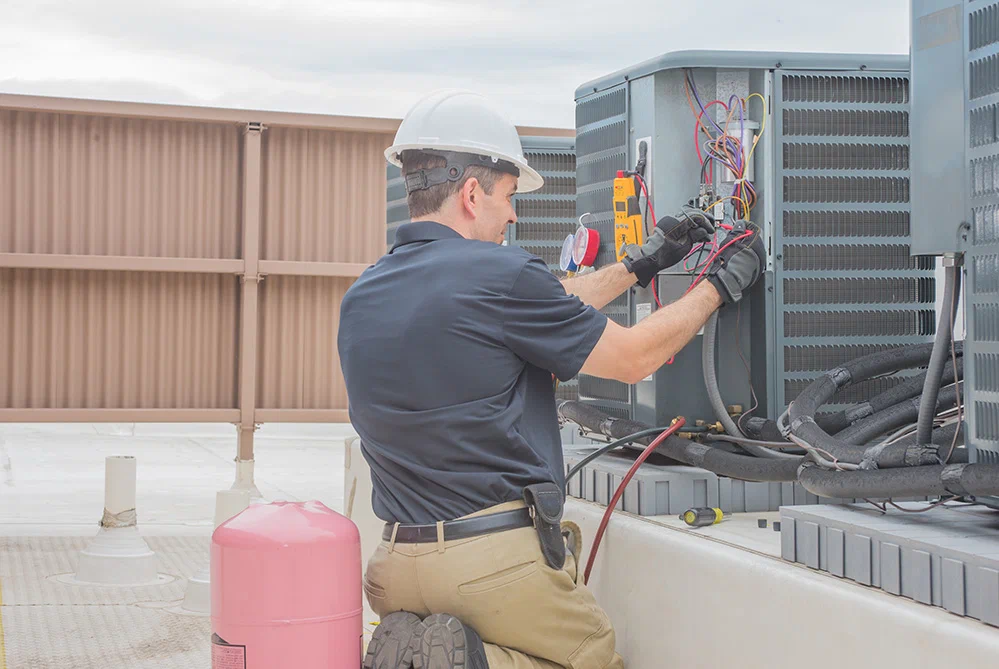
A well-designed cooling system performs best when it’s properly maintained. Routine maintenance helps improve efficiency, reduce the likelihood of unexpected breakdowns and extend the lifespan of equipment. It also helps maintain indoor air quality, which has become an increasing priority for employers in recent years.
Many facilities managers now include regular air conditioning services within their planned maintenance schedules instead of waiting until problems develop, particularly in buildings where cooling systems operate throughout the year.
Energy Efficiency Is Driving Purchasing Decisions
Modern cooling systems have evolved significantly over the past decade. Variable-speed compressors, smart controls and improved refrigerant technology mean today’s equipment can deliver better performance while consuming less energy than older systems. This has encouraged many businesses to replace ageing equipment rather than continuing to repair inefficient units. Whether purchasing directly from manufacturers or working with independent contractors, organisations are placing greater emphasis on lifecycle costs instead of focusing solely on the initial installation price.
Preparing Buildings for a Warmer Future
Climate specialists continue to suggest that hotter summers are likely to become more common across the UK. As a result, cooling is increasingly viewed alongside insulation, ventilation and heating as part of a building’s long-term resilience strategy.
Businesses reviewing air conditioning installers today are often looking beyond the immediate project, considering ongoing support, maintenance availability and technical expertise before selecting a contractor. Similarly, investing in professional air conditioning services can help ensure systems continue operating efficiently as demand increases during future summers.
Looking Ahead
Extreme weather is changing how organisations think about their buildings. Cooling is no longer seen simply as a comfort feature but as part of creating productive workplaces, protecting valuable equipment and supporting employee wellbeing. Whether businesses choose multinational providers, established national contractors or regional specialists such as Leicester Air Conditioning, one thing is becoming increasingly clear: planning is proving far more effective than scrambling for solutions when the next heatwave arrives.