



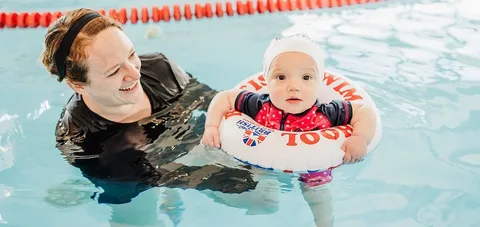
For adults, getting into the water is effortless. For babies and toddlers, it’s a completely different story. Their bodies, routines, and even basic hygiene needs behave differently in water — which is why swimming with little ones requires more thought than most parents expect.
One of the most overlooked aspects? What happens when nappies meet water.
What Makes Water So Different?
Regular nappies are designed to absorb liquid — that’s their entire purpose. But in a pool or the sea, that design becomes a problem.
When a standard nappy enters water:
- It quickly fills up and becomes heavy
- It can sag, tear, or even burst
- It loses its ability to contain anything effectively
This isn’t just uncomfortable for the child — it can also create hygiene issues in shared water spaces.
That’s where specially designed alternatives come in.
The Real Purpose Behind Swim Nappies
Unlike regular nappies, swim nappies are not designed to absorb. Instead, they focus on one very specific job: containment.
They are built to:
- Allow water to flow in and out freely
- Stay lightweight without swelling
- Securely contain solid waste
This design ensures that babies can move freely in the water while reducing the risk of contamination.
If you’re unfamiliar with how they work in practice, this guide on swim nappies explains their structure and purpose in more detail.
Why Fit Matters More Than You Think
A swim nappy isn’t about padding or thickness — it’s about fit.
The effectiveness of a swim nappy depends heavily on:
- A snug waistband
- Secure leg openings
- Flexible but firm materials
If it’s too loose, leaks are more likely. Too tight, and it can restrict movement or cause discomfort.
In many ways, swim nappies behave more like swimwear than traditional nappies — they rely on structure, not absorption.
A Common Misunderstanding: What They Don’t Do
One of the biggest misconceptions is that swim nappies function like regular ones in water. They don’t.
They are not designed to hold urine. Instead:
- Liquids pass through naturally
- They only contain solids
- They need to be changed after swimming
This often surprises new parents, but it’s intentional. Absorbing liquids would cause the nappy to swell and defeat its purpose.
Reusable vs Disposable: A Quiet Shift
Over the years, there’s been a noticeable shift from disposable to reusable swim nappies.
Reusable options are becoming more popular because they:
- Can be washed and reused multiple times
- Dry quickly between uses
- Often provide a more secure fit
They’re also considered more cost-effective over time and reduce waste compared to single-use alternatives.
The Bigger Picture: Hygiene and Shared Spaces
Public pools, swim schools, and even many beaches have strict expectations when it comes to young children in the water.
That’s because:
- Even small contamination can affect water quality
- Certain bacteria can spread quickly in shared pools
- Pool closures can happen due to hygiene incidents
Swim nappies play a quiet but important role in maintaining a safe environment — not just for one child, but for everyone in the water.
Preparing for Your First Swim Session
If you’re planning your baby’s first swim, a few simple habits make a big difference:
- Use a fresh swim nappy right before entering the water
- Check and change regularly (every 30–60 minutes)
- Bring a spare for longer outings
- Switch to a regular nappy once out of the water
These small steps help avoid discomfort and keep the experience smooth for both parent and child.
More Than Just a Product
At first glance, swim nappies might seem like a minor detail. But they sit at the intersection of comfort, hygiene, and freedom of movement.
They allow babies to:
- Explore water safely
- Build confidence early
- Move without restriction
And they allow parents to focus less on “what if” and more on the experience itself.
Final Thought
Swimming with a baby isn’t just about water — it’s about creating a safe and comfortable environment where they can explore something completely new.
Understanding how things like swim nappies work might seem small, but it’s often these details that shape whether the experience feels stressful or seamless.
And when everything works as it should, the focus shifts back to what really matters — those first splashes, first laughs, and the quiet joy of discovery.