



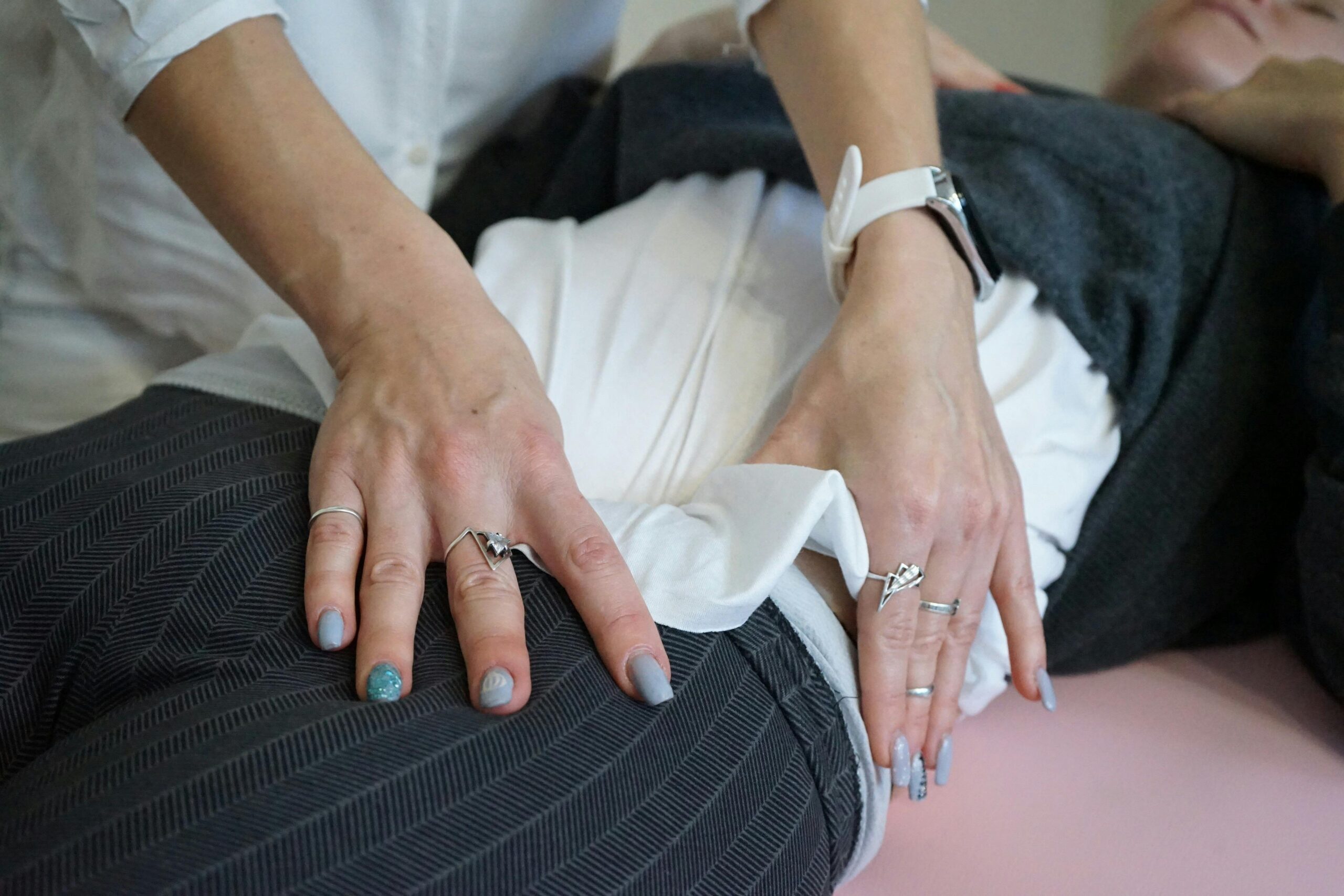
Women’s health involves many areas that often receive attention, but pelvic health is still one topic many people hesitate to discuss openly. Despite how important it is, pelvic health concerns are frequently ignored, delayed, or misunderstood. Many women quietly live with discomfort, pain, or physical changes because they assume these issues are normal or unavoidable.
Prioritizing women’s pelvic health care is important because it affects physical comfort, mobility, confidence, reproductive health, and overall quality of life. Greater awareness and proper care can help women feel healthier, more supported, and better informed about their bodies.
Understanding What Pelvic Health Means
Pelvic health refers to the condition and function of the muscles, tissues, and organs located in the pelvic area. This includes support for the bladder, bowel, and reproductive organs.
When pelvic health is functioning properly, these systems work together comfortably and efficiently. However, when problems develop, women may experience pain, pressure, discomfort, or difficulty with daily activities.
Pelvic health concerns can affect women at different stages of life, from pregnancy and postpartum recovery to aging and menopause.
Many Women Ignore Symptoms for Too Long
One major issue surrounding pelvic health is that many women delay seeking help. Some may feel embarrassed discussing symptoms, while others assume discomfort is simply part of childbirth, aging, or hormonal changes.
Symptoms such as pelvic pain, urinary leakage, pressure, or discomfort during movement are often dismissed even though they may indicate underlying concerns.
Ignoring these symptoms can allow problems to worsen over time and affect overall well-being.
Pelvic Health Affects Daily Comfort
Pelvic health problems can interfere with everyday routines more than many people realize. Sitting comfortably, exercising, walking, lifting, or even sleeping may become difficult when pelvic discomfort is present.
These challenges may slowly reduce activity levels and affect confidence in social or professional situations.
Prioritizing pelvic care helps women maintain comfort and independence in daily life.
Pregnancy and Childbirth Can Impact Pelvic Health
Pregnancy and childbirth place significant physical stress on the body, especially the pelvic muscles and surrounding tissues.
After delivery, some women experience pelvic floor weakness, discomfort, or changes in bladder control. While some recovery is natural, persistent symptoms should not always be ignored.
Proper pelvic health care during and after pregnancy can help support healing and improve long-term recovery.
Pelvic Health and Emotional Well-Being Are Connected
Physical discomfort often affects emotional health as well. Women dealing with ongoing pelvic pain or other symptoms may experience frustration, stress, anxiety, or reduced self-confidence.
Because these concerns are deeply personal, many women feel isolated or uncomfortable talking about them openly.
Seeking professional care can help women feel supported while improving both physical and emotional well-being.
Early Treatment Can Prevent Larger Problems
Addressing pelvic health concerns early often helps prevent more serious complications later.
Small symptoms may gradually become more difficult to manage if left untreated. Early evaluation allows healthcare professionals to identify issues before they interfere more significantly with daily life.
Preventive care and early treatment can improve recovery outcomes and reduce long-term discomfort.
Pelvic Health Is Important at Every Age
Pelvic care is not only important for older adults or women recovering from childbirth. Women of all ages can experience pelvic health concerns related to posture, physical strain, hormonal changes, injuries, or medical conditions.
Young adults, athletes, mothers, and aging women may all benefit from understanding pelvic health more clearly.
Recognizing that pelvic care matters throughout life encourages more proactive health awareness.
Physical Therapy Can Support Pelvic Recovery
Pelvic floor therapy has become an increasingly important part of women’s healthcare. Specialized physical therapy can help strengthen muscles, improve stability, and reduce discomfort.
These treatments often focus on restoring proper muscle function while helping women regain confidence in movement and daily activities.
Professional support can make recovery feel more manageable and less overwhelming.
Open Conversations Help Reduce Stigma
One reason pelvic health is often overlooked is because many women feel uncomfortable discussing these concerns publicly.
Creating more open conversations around pelvic care helps reduce stigma and encourages women to seek help earlier rather than suffering silently.
Education and awareness can help normalize discussions about pelvic health as part of overall wellness.
Workplace and Lifestyle Factors Also Matter
Long hours of sitting, heavy lifting, poor posture, and high physical stress may contribute to pelvic strain over time.
Lifestyle habits and workplace demands can affect the body in ways many women may not immediately recognize.
Understanding how daily routines impact pelvic health helps encourage healthier movement habits and preventive care practices.
Different Professionals May Be Involved in Care
Pelvic health care sometimes involves multiple healthcare professionals depending on the condition and treatment needs.
Gynecologists, physical therapists, pain specialists, and rehabilitation providers may all play roles in supporting recovery and long-term management.
In some situations involving medical disputes or injury-related complications, different types of attorneys may also become involved. Medical malpractice attorneys may address cases involving improper medical treatment, while personal injury attorneys may assist in situations involving accidents that contributed to pelvic injuries.
This highlights how pelvic health can intersect with both healthcare and legal support systems in certain circumstances.
Prioritizing Pelvic Health Supports Long-Term Wellness
Pelvic health affects more than one area of the body. It influences movement, bladder control, posture, reproductive health, and overall comfort.
When pelvic health is ignored, daily activities and personal confidence may gradually become more difficult.
Prioritizing care helps women maintain stronger physical function and better long-term wellness throughout different stages of life.
Encouraging Women to Seek Support Without Shame
Many women continue living with symptoms simply because they believe discomfort is something they must tolerate.
Encouraging women to seek professional support without embarrassment is an important step toward improving healthcare awareness and outcomes.
No one should feel uncomfortable discussing concerns that affect daily comfort and quality of life.
Conclusion: Pelvic Health Deserves More Attention
Women’s pelvic health deserves the same level of attention and care as other areas of physical wellness. From pregnancy recovery and physical comfort to emotional well-being and long-term mobility, pelvic health affects many aspects of daily life.
By encouraging open conversations, early treatment, and greater awareness, more women can receive the support they need before symptoms become more serious.
In the end, prioritizing pelvic health care is not only about treating discomfort—it is about improving overall health, confidence, and quality of life for women at every stage of life.