



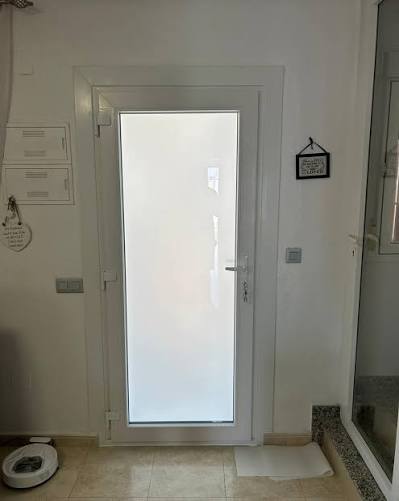
How to choose a durable utility door and measure correctly before ordering a replacement
A utility door may not always be the most visible door in the home, but it is often one of the hardest working. It may connect the house to the garden, driveway, laundry area, garage, bin storage, workshop or back entrance. It is used in all kinds of weather, often with muddy shoes, shopping bags, laundry baskets, tools, pets or children moving through it several times a day.
That is why uPVC utility doors can be a sensible choice for many homeowners. uPVC is practical, low-maintenance and well suited to areas where function matters just as much as appearance. A utility door should close tightly, resist moisture, be easy to clean and provide reliable security without demanding constant care.
Whether the door is being fitted in a family home, summer house, garage, laundry room or side entrance, the right choice depends on more than the design. Material, glazing, insulation, lock, threshold, opening direction and measurement all affect the final result. A well-chosen utility door should make everyday routines easier, while still protecting the home from wind, rain, cold and unwanted access.
Why the utility door matters more than many homeowners think
In many homes, the front door gets most of the attention. It is chosen for style, first impressions and kerb appeal. The utility door, on the other hand, is often treated as a purely practical detail. That can be a mistake, because this door may be used just as often, or even more often, than the main entrance.
A utility door is typically placed where life is a little more active. It may open into a utility room, laundry space, boot room, garage connection or back hallway. These are areas where wet coats, garden tools, school bags, sports equipment and pets often pass through. The door must therefore be robust enough for real daily use.
It also plays an important role in comfort. If the door is old or badly fitted, it can cause draughts, cold floors and moisture problems. A cold utility room can affect nearby rooms, especially if the space connects directly to a kitchen, hallway or living area. Replacing a tired door can make the whole back entrance feel warmer and more practical.
Security should also be considered. Back doors and side doors are sometimes less visible than the main entrance. If the door opens toward a garden, driveway or hidden passage, it should still have a reliable lock, solid frame and properly fitted hardware. A utility door should never be treated as a weak point simply because it is less decorative.
The best utility doors combine practical durability with a clean, simple appearance. They do not need to be overly decorative, but they should look appropriate for the home and work reliably year after year.
Why uPVC works well for utility doors
Utility doors are exposed to moisture, dirt and regular handling. This makes uPVC a strong material choice. Unlike timber, uPVC does not need painting or oiling, and it does not absorb moisture in the same way. For a door that may be used with wet shoes, laundry baskets and garden equipment, that is a clear advantage.
The surface is usually easy to clean with mild soapy water. Marks from hands, mud, dust, pollen or garden use can often be removed without special treatment. This is especially useful in a utility room, where the door is part of a working area rather than a formal entrance.
uPVC is also a practical option for summer houses and secondary buildings. If the property is not occupied all year, low maintenance becomes even more important. Owners may not want to spend weekends sanding and painting exterior doors. A uPVC door can reduce that burden while still providing a stable and weather-resistant solution.
Another advantage is value. uPVC utility doors are often competitively priced compared with many timber, aluminium or composite alternatives. For homeowners replacing a side door, back door or laundry room entrance, this balance between price and function can be very attractive.
However, the quality of the whole door should still be considered. A good utility door is not only about the frame material. Glazing, hinges, locks, seals, threshold and installation all matter. A cheap door that does not close properly or has weak hardware may become frustrating over time.
uPVC is particularly relevant when homeowners want:
- Low maintenance
- Easy cleaning
- Good resistance to moisture
- A practical door for frequent use
- A cost-effective replacement solution
- A door suitable for a back entrance, laundry room or summer house
In some period properties, timber may be the better visual choice. In many modern homes, practical family houses and summer houses, uPVC offers a straightforward and dependable solution.
Utility doors for laundry rooms, garages and back entrances
A utility door can serve many different functions, and the best model depends on where it is placed. A door to a laundry room has different needs from a door to a garage or garden-facing back entrance.
In a laundry room or utility space, moisture and ventilation are often important. Clothes drying, washing machines and wet outdoor clothing can increase humidity. A well-fitted door helps keep the room comfortable, but the space may also need proper ventilation. A glazed panel can bring in useful daylight, making the room feel less closed.
For a garage or workshop entrance, durability and security may matter more. If tools, bicycles, machinery or storage items are kept behind the door, a solid lock and strong hardware are important. The door may not need a large glass area, especially if privacy or security is a priority.
A back entrance to the garden often benefits from a balance between light and practicality. A door with glass can make a rear hallway or utility room brighter. It also allows homeowners to see into the garden before opening the door. However, if the door faces a public path, neighbour or shared driveway, frosted or patterned glass may be a better choice.
In family homes, the utility door is often part of the daily routine. It may be where children enter after school, where the dog comes in from the garden, or where shopping is carried from the car. In this setting, ease of use is essential. The handle should be comfortable, the threshold should be practical, and the door should not require force to close.
A summer house utility door may have slightly different priorities. The door should withstand changing weather, stay secure when the property is empty and require very little upkeep. If the summer house is used all year, insulation should be taken seriously. If it is mainly used during warmer months, practical weather protection and low maintenance may be the main concerns.
Glazing: light, privacy and safety
Many utility doors are available with glass panels. This can be a useful feature, especially if the room behind the door is dark. A glazed door can make a utility room, hallway or boot room feel more pleasant and easier to use.
Clear glass gives the most daylight and visibility. It can be useful when the door faces a private garden or enclosed courtyard. It allows you to see outside before opening the door and can create a more open feeling in a small room.
Frosted or patterned glass is often better where privacy matters. If the door faces a driveway, neighbour, road or shared area, frosted glass allows light in while reducing direct visibility. This is a good compromise for many utility spaces, where daylight is useful but privacy is still needed.
The size of the glass panel should match the door’s function. A full-height glazed door may look bright and modern, but it may not be ideal for a storage-heavy utility room or a door facing a public area. A smaller glass panel can provide enough light while keeping the lower part of the door more solid.
Safety glass may be worth considering, especially if the glass sits low or the door is used frequently by children, pets or people carrying large items. Utility doors often see rougher use than formal entrances. Baskets, tools, sports gear and garden equipment can easily bump into the door.
Energy performance should also be considered. If the door leads into a heated space, the glazing should support good insulation. A large glass panel with poor insulation can lead to cold surfaces and draught-like discomfort during winter. The best solution balances daylight with comfort and durability.
Insulation and weather protection
A utility door is part of the building envelope if it separates a heated room from the outside. That means it affects warmth, draughts and energy comfort. Even if the room is not used as a living space, a cold and draughty utility room can still affect the rest of the home.
Modern uPVC doors can offer good insulation, especially when combined with suitable glazing and effective seals. The frame profile, door panel, glass unit and threshold all contribute to the final performance. It is important to look at the whole door rather than one single component.
The seals around the door are especially important. They should make even contact with the frame when the door is closed. If they become damaged, dirty or compressed, draughts can appear. Utility doors are often used frequently, so the seals should be checked regularly.
The threshold is another key detail. A low threshold can make daily access easier, especially when carrying laundry, shopping or garden items. However, it must still keep rain, wind and cold out. The area outside the door should allow water to drain away rather than collect against the threshold.
A good locking mechanism can also help the door close tightly. Multi-point locking or strong closing hardware can pull the door evenly against the frame. This improves both security and draught protection.
If the utility room is unheated, insulation may not need to be as high as for a main living area. But the door should still resist weather and keep the space dry. If the utility room connects directly to the home, better insulation will usually make daily life more comfortable.
Security for side and back doors
Side and back doors are sometimes overlooked when homeowners think about security. This can make them vulnerable. A utility door may be less visible from the street, hidden behind a fence or located near a driveway. For that reason, it should be chosen with security in mind.
The lock is important, but it is only one part of the system. The frame, hinges, strike plate, glazing and installation all contribute. A strong lock cannot perform properly if the door is badly fitted or the frame is weak.
A good cylinder can improve security, especially if it includes protection against drilling, picking or uncontrolled key copying. For family homes and summer houses, key control can also be important. If many people have had access to the property over time, replacing the cylinder may be sensible when fitting a new door.
Hardware should be suitable for exterior use. Hinges and handles must cope with moisture and frequent use. If the door opens outward and the hinges are visible from outside, hinge security should be considered.
Glass near the lock should be assessed carefully. Frosted or safety glass can improve privacy and resilience, but the overall placement matters too. If the door is easy to access from a hidden area, a more solid lower panel or stronger glazing may be preferable.
A utility door should also be easy to lock. If a door is awkward, stiff or difficult to close, people may stop using the lock properly. Good security depends on everyday habits, and those habits are easier to maintain when the door works smoothly.
Opening direction and practical layout
The opening direction of a utility door can make a big difference. A door that opens the wrong way can block storage, hit appliances or make the room harder to use. This is especially important in small utility rooms where every square metre matters.
An inward-opening door requires free space inside. It should not hit a washing machine, dryer, cupboard, coat rack or radiator. In a narrow room, this can be inconvenient. However, inward-opening doors may be easier to operate from inside and are sometimes preferred depending on the building layout.
An outward-opening door saves indoor space, which can be very useful in a compact utility room. However, it needs space outside and should be protected against wind. If the door opens onto a narrow path, steps or driveway, the swing area must be considered carefully.
The hinge side also matters. A right- or left-hinged door can affect how naturally people move through the entrance. If shopping is carried from the car, the door should open in a way that makes this movement easy. If the door is mainly used to access the garden, it should support that route.
Before ordering, it is worth standing in the room and imagining the door in use. Where will the laundry baskets go? Is there a freezer, sink or cupboard near the opening? Will the door hit anything? Can it open fully?
Practical comfort comes from these small decisions. A utility door should make everyday movement easier, not create a daily irritation.
How to measure before ordering a replacement door
Correct measurement is one of the most important parts of replacing a utility door. Even a good product can become a problem if the size is wrong. Before ordering, it is worth reading a guide on how to measure for a replacement door, especially when buying online.
The first thing to understand is the difference between the wall opening and the frame size. The wall opening is the space in the building. The frame size is the outer dimension of the door unit. These are not the same. There must be enough space around the frame for adjustment, fixing, insulation and sealing.
When replacing an old door, do not assume that the existing door is perfectly square. Older openings may be uneven. Measure the width at the top, middle and bottom. Measure the height on the left, right and preferably in the middle as well. If the measurements differ, the smallest measurement is often important, but the supplier’s instructions should always be followed.
It is also important to check the depth and surrounding construction. The wall type, existing frame, threshold and exterior finish can all affect installation. If the old door has been fitted into a non-standard opening, extra care is needed.
Before ordering, confirm:
- The opening width
- The opening height
- The required frame size
- The opening direction
- The hinge side
- The threshold type
- Whether the door opens inward or outward
A simple sketch can prevent confusion. Mark the door from the side you are viewing it, show where the hinges are and show which way the door opens. This is especially helpful when ordering online, where misunderstandings about handing can lead to costly mistakes.
Measuring twice is not enough if the wrong thing is being measured. The key is to understand what the supplier needs and how the door will actually sit in the opening.
Installation and sealing around the door
A replacement door must be installed accurately. The frame should be level, square and plumb. If it is twisted during installation, the door may bind, fail to seal correctly or become difficult to lock.
The frame must be fixed securely into the surrounding structure. The door leaf should hang correctly, and the gap around it should be even. Locking points must align with the frame, and the seals should make proper contact when the door is closed.
The space around the frame should be insulated carefully. Poor insulation can create cold bridges and draughts. The sealing must also be suitable for exterior conditions. The outside should protect against rain and wind, while the inside should help prevent warm, moist indoor air from entering the wall construction.
The threshold area deserves special attention. Utility doors often sit close to outdoor paving, steps, gravel or garden paths. Water should drain away from the door, not collect against it. If the level outside is too high, there may be a risk of moisture problems.
After installation, the door should be tested thoroughly. It should open and close smoothly. The lock should engage without force. The handle should feel stable. There should be no visible gaps, draughts or areas where the seals fail to touch.
Professional installation may be a good choice if the opening is uneven, the door is heavy, or the project involves changes to the surrounding wall. A skilled DIY installer may manage simpler replacements, but accuracy is essential.
Maintenance for long-term performance
One of the advantages of uPVC utility doors is simple maintenance. The surface does not need painting and is easy to clean. However, the door still benefits from regular care.
The frame and door leaf should be washed with mild soapy water a few times a year. Avoid abrasive cleaners, strong solvents and hard brushes, as these can damage the surface. Corners and lower sections may need extra attention because utility doors often collect dirt from shoes, pets and garden use.
Seals should be cleaned and checked for damage. If they become stiff, flattened or torn, the door may no longer close tightly. Replacing worn seals can improve comfort and reduce draughts.
Hinges, locks and moving parts should be inspected and lubricated according to the manufacturer’s recommendations. If the door begins to bind or the lock becomes difficult to operate, it may need adjustment. Using force can damage the hardware over time.
Drainage openings should be kept clear. uPVC profiles may include small drainage channels that allow water to escape. If these become blocked with dirt, insects or leaves, water may collect in the wrong places.
A basic maintenance routine can include:
- Cleaning the door and frame
- Checking the seals
- Clearing drainage openings
- Lubricating hinges and locking points
- Adjusting the door if it starts to bind
Small maintenance tasks help the door continue to work smoothly. They also protect the value of choosing a practical and low-maintenance material.
A utility door that works quietly in the background
A good utility door does not need to attract much attention. It simply needs to work. It should open easily, close tightly, handle daily use and keep weather outside. For many homes, that quiet reliability is exactly what makes the door valuable.
uPVC utility doors are well suited to practical entrances where low maintenance, easy cleaning and good everyday performance are important. They can be used in family homes, summer houses, garages, back entrances and laundry areas where the door must cope with real life.
The best result comes from matching the door to the space. Consider how the room is used, how much light is needed, whether privacy matters, and how exposed the entrance is. Measure carefully before ordering, and make sure the installation is done correctly.
When these details are handled properly, a utility door becomes more than a simple back entrance. It improves comfort, supports daily routines and gives the home a more reliable connection to the spaces around it.