



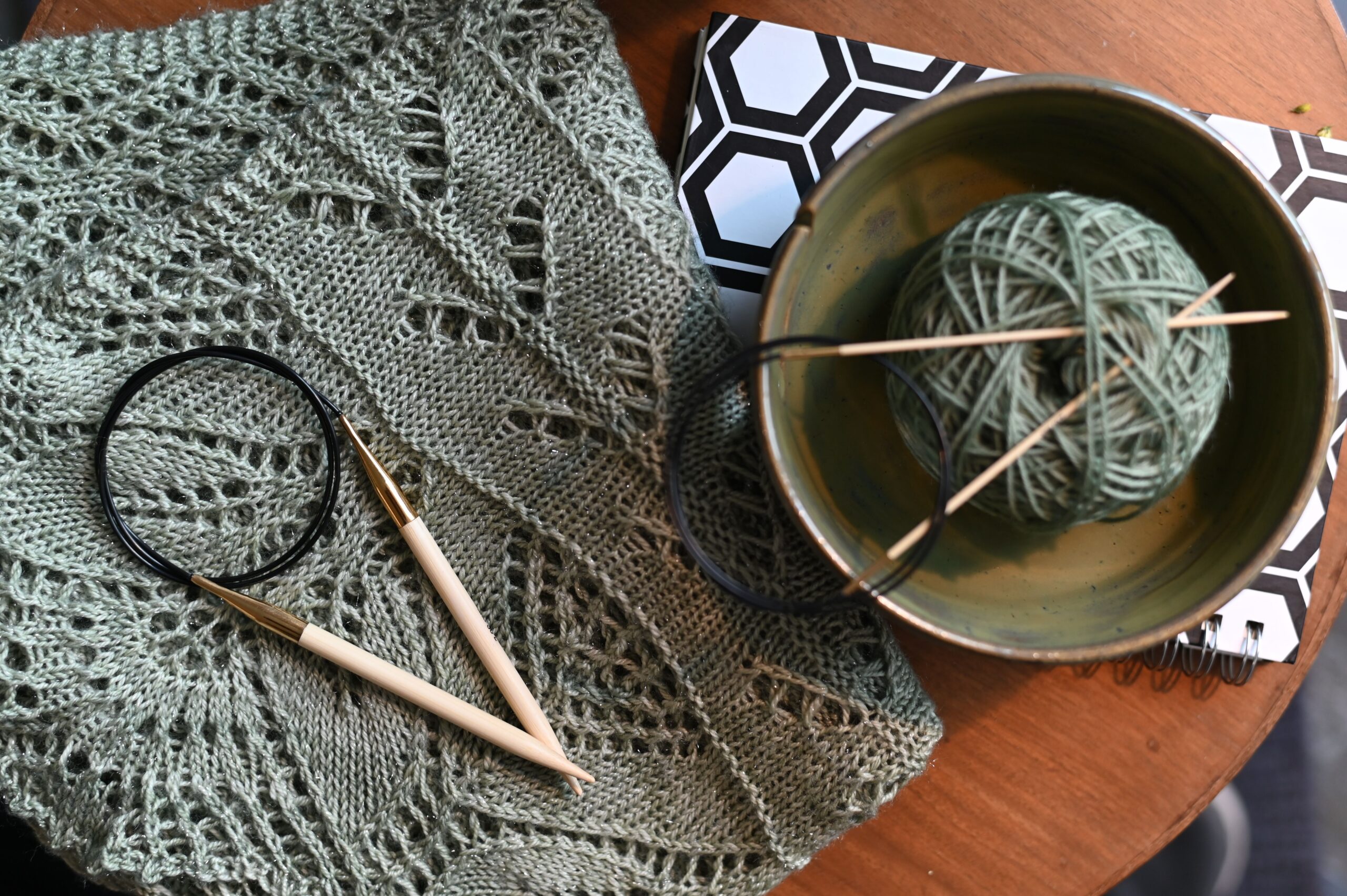
Knitting is a hobby that allows people to slow down while creating something useful and personal. Whether the goal is to make scarves, sweaters, blankets, socks, hats, or gifts for loved ones, having the right tools can make each project more enjoyable. While yarn and needles receive most of the attention, many other items also contribute to a smoother knitting experience.
The right tools help knitters stay organized, reduce mistakes, improve comfort, and complete projects with greater confidence. Many of these items are small enough to fit inside a project bag, yet they often save time throughout every stage of the knitting process. Learning about different knitting accessories can help beginners build good habits while giving experienced knitters practical ways to stay efficient.
Organizing Project Supplies
One of the simplest ways to enjoy knitting is by keeping supplies organized. Yarn can easily become tangled when several colors or multiple skeins are stored together. Project bags, yarn bowls, storage baskets, zippered pouches, clear containers, fabric organizers, and divided cases all help keep materials neat while protecting unfinished work from dust, pets, and accidental damage.
An organized workspace also makes it easier to return to a project after several days or even weeks. Instead of searching for missing tools, knitters can quickly locate needles, stitch markers, scissors, measuring tapes, row counters, and pattern notes.
As projects become more detailed, staying organized often reduces frustration and helps maintain steady progress from beginning to end.
Choosing Comfortable Tools
Knitting often involves long periods of repetitive hand movements. Because of this, comfort plays an important role in creating an enjoyable experience. Smooth knitting needles, ergonomic handles, flexible cables, lightweight materials, rounded needle tips, soft grips, and properly sized tools can make extended knitting sessions feel much more comfortable.
Different knitters also develop different preferences over time. Some enjoy bamboo needles because they provide extra grip, while others prefer metal needles for faster stitching. Circular needles are useful for many projects beyond sweaters because they distribute weight more evenly across the hands and wrists.
Comfort also extends beyond the needles themselves. Supportive seating, good lighting, lap cushions, project stands, adjustable lamps, neck lights, and organized workspaces all contribute to reducing unnecessary strain. Small improvements in comfort often make longer knitting sessions feel much more relaxing without changing the overall crafting routine.
Tracking Every Stitch
Patterns become easier to follow when progress is carefully tracked. Stitch markers, row counters, magnetic pattern holders, removable notes, highlighters, notebooks, digital tracking apps, and measuring tapes all help knitters stay focused while working through detailed instructions.
Even experienced knitters occasionally lose track of rows or repeat sections. Simple tracking tools reduce the need to unravel completed work because mistakes are often noticed much earlier. This becomes especially helpful when creating lace patterns, textured stitches, cables, colorwork, or garments that require careful shaping.
Many knitting accessories are designed specifically for this purpose. Locking stitch markers can identify increases or decreases, while row counters provide an easy way to monitor progress throughout larger projects. These small tools may appear simple, yet they often make complicated patterns feel much easier to manage.
Finishing Projects Neatly
Completing the final stitches is only part of finishing a knitting project. The last stage often includes weaving in yarn ends, blocking the finished piece, sewing sections together, trimming loose fibers, washing delicate materials, and making small adjustments before regular use.
Tools such as tapestry needles, blocking mats, rust-resistant pins, blocking wires, small embroidery scissors, fabric combs, lint rollers, and measuring tools all support this stage of the process. Proper finishing improves the appearance of the completed item while helping it maintain its intended shape over time.
Careful finishing also allows knitters to notice small details that might otherwise be overlooked. Loose stitches, uneven edges, twisted seams, missed decreases, or hidden yarn tails become easier to correct before the project is considered complete. Spending extra time during this stage often produces results that look cleaner and feel more satisfying.
Building Better Knitting Habits
Many knitters discover that enjoyable projects depend as much on preparation as on knitting itself. Keeping supplies organized, maintaining clean tools, storing yarn properly, checking patterns before beginning, measuring progress regularly, and taking short breaks during longer sessions all contribute to a better overall experience.
Good habits also help preserve crafting supplies for future projects. Needles remain smoother when stored carefully, yarn stays cleaner when protected from dust, and accessories last longer when returned to dedicated storage after each project. These routines require very little effort, yet they make future knitting sessions easier to begin.
Over time, knitters naturally develop collections of tools that match their favorite techniques and project types. Rather than collecting every available item, many people find greater value in choosing practical accessories that support their personal knitting style. Thoughtful selections often provide lasting usefulness across many different projects.
Enjoying Every Knitting Project
Knitting is a rewarding hobby because it combines creativity, patience, learning, and practical skill. While yarn and needles remain the foundation of every project, the supporting tools surrounding them can make each step more enjoyable and more organized. Small accessories often solve everyday challenges that would otherwise interrupt the creative process.
Whether someone is making a first scarf or completing an intricate blanket, useful tools contribute to smoother progress from cast-on to final stitch. By choosing reliable knitting accessories that improve organization, comfort, tracking, finishing, and long-term care, knitters can spend less time dealing with avoidable interruptions and more time enjoying the craft itself.