



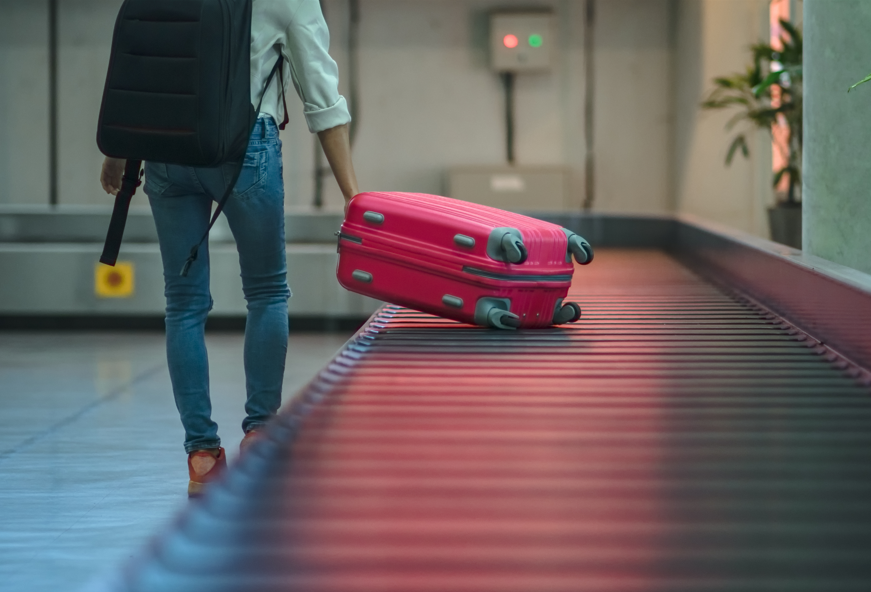
Every seasoned traveler has a story about luggage that failed them, a zipper that split open mid-check-in, a wheel that cracked on the first cobblestone street, or a handle that snapped off just when they needed it most. Choosing the right bag is not simply about aesthetics; it is a practical decision that affects every trip you take for years to come. With so many options crowding the market, knowing what to look for separates a smart purchase from a costly mistake.
Start with the Shell Material
The outer shell of your luggage is its first and most important line of defense. Hard-sided bags made from polycarbonate or similar impact-resistant materials hold their shape well under the pressure of overhead bins and baggage carousels. They resist crushing and protect fragile contents better than softer alternatives.
Soft-sided bags, on the other hand, offer flexibility. They can be compressed into tight spaces and generally weigh less, which matters when airlines enforce strict weight limits. The trade-off is that they are more vulnerable to punctures and moisture. The best soft-sided options use ballistic-grade nylon or ripstop fabric, both of which resist tearing far longer than standard polyester.
Neither option is universally better, your choice should depend on what you carry and how you travel.
Pay Attention to the Frame and Structure
The internal frame holds everything together. A strong frame distributes weight evenly, keeps the bag from sagging, and prevents the shell from warping over time. Look for reinforced corners, since these are the points of highest stress whenever a bag is dropped or thrown into cargo holds.
For hard-sided luggage, the clamshell design with a full perimeter zipper offers the best structural integrity. For soft-sided bags, a sturdy internal frame combined with reinforced base panels makes a significant difference in longevity.
Zippers and Closures Matter More Than You Think
Zippers are among the first things to fail on poorly made luggage. Cheap plastic teeth crack under pressure, and thin zipper pulls bend out of shape after repeated use. Quality luggage uses robust metal or high-grade coil zippers with wide, easy-to-grip pulls.
Double-zipper systems add a layer of security and reduce strain on any single point of the mechanism. Some travelers also appreciate lockable zippers, which serve both a security purpose and reinforce the zipper track itself. Run your finger along a zipper before buying, it should glide smoothly without catching.
Wheels and Handles
Spinner wheels, those that rotate a full three-hundred-sixty degrees, are convenient but must be built to last. Look for wheels mounted in protective housings that keep them from snagging on curbs or gravel. The axle material matters too; reinforced metal axles outlast plastic ones by a wide margin.
Telescoping handles take considerable abuse. A handle that wobbles even slightly when new will only loosen over time. Test the extension and retraction mechanism several times in the store. It should lock firmly at each height setting without play or rattle.
Lining and Interior Organization
The interior lining of a bag is easy to overlook, but a well-constructed lining signals overall build quality. Thin linings tear when overpacked, while thicker woven fabrics handle strain without fraying. Interior compartments, compression straps, and divider panels help distribute weight and keep contents from shifting, which in turn reduces stress on the shell and frame.
Warranty as a Quality Signal
A manufacturer willing to offer a lifetime or extended warranty is making a statement about how much confidence they have in their product. Before purchasing, read the warranty terms carefully. Coverage for wheels, handles, and zippers (the parts most likely to fail) is a meaningful indicator of overall build quality.
When shopping for luggage that stands up to frequent use, a brand like Color Case offers products engineered with durability in mind, built for travelers who cannot afford to replace their bags every season.
Final Thoughts
Durable luggage is an investment that pays back with every trouble-free trip. Focus on materials, construction quality, hardware, and warranty coverage rather than appearance alone. A bag that holds up through years of airports, train stations, and hotel corridors is worth paying more for upfront, because the cheapest option rarely stays cheap for long.
Pack smart. Travel lighter. Choose once and choose well.