



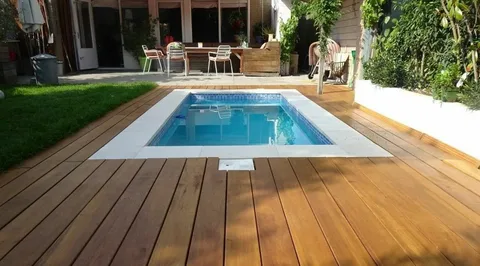
Building a swimming pool typically takes anywhere from 3 to 12 weeks, depending on the type you choose. Fiberglass pools are the fastest, wrapping up in 3 to 6 weeks, while concrete swimming pools can take 3 months or more. Vinyl liner pools usually fall somewhere in between at 4 to 8 weeks. Permits, weather, and site conditions can also push your timeline further out. Keep scrolling to find out exactly what affects your build.
How Long Does It Take to Build a Pool?
Building a swimming pool typically takes 6 to 12 weeks, depending on the pool type, size, and local permitting requirements.
Concrete pools take the longest, often 10 to 12 weeks, since they require curing time.
Fiberglass pools install faster, usually 3 to 6 weeks, because the shell arrives pre-built.
Vinyl liner pools fall in between, averaging 4 to 8 weeks.
Your timeline also depends on contractor availability, weather conditions, and how quickly your municipality approves permits.
Delays in any of these areas can push your project back considerably, so plan accordingly and build extra time into your schedule.
Above-Ground vs. In-Ground Pool Build Times
In-ground pools are a different story. Depending on the type—concrete, fiberglass, or vinyl liner—you’re looking at 3 to 12 weeks from excavation to final inspection.
Concrete takes the longest, often 3 months or more. Fiberglass moves fastest among in-ground options.
Your choice between the two ultimately comes down to budget, permanence, and how soon you want to swim.
Permits, Weather, and Other Factors That Delay Pool Builds
Even if your contractor’s schedule is wide open, permits, weather, and site conditions can stretch your timeline considerably. Most municipalities require building permits before any digging starts, and approval can take anywhere from a few days to several weeks.
Rain delays excavation and concrete work, while freezing temperatures can halt construction entirely. If your yard has rocky soil, poor drainage, or limited access, crews will need extra time to prepare the site.
HOA approvals, utility line markings, and material backorders also add unexpected delays. Build these variables into your expectations so the final timeline doesn’t catch you off guard.
The Pool Construction Process, Week by Week
Once you’ve accounted for permits and potential delays, it helps to know what’s actually happening on your property each week.
Week one typically involves layout, excavation, and steel installation.
Week two covers plumbing, electrical rough-in, and gunite or shotcrete application.
Week three focuses on curing, tile work, and coping installation.
Week four brings decking, equipment setup, and interior finishing.
By week five, crews fill the pool and balance the water chemistry.
Keep in mind that each phase depends on the previous one finishing correctly, so any single hiccup shifts your entire timeline forward.
How to Keep Your Pool Build on Schedule
Staying on schedule starts with you being proactive, not reactive. Before construction begins, finalize every decision — materials, finishes, equipment, and features. Late changes are the biggest source of delays.
Secure your permits early, since approval timelines vary by city and can stall your project before a single shovel breaks ground.
Stay in regular contact with your contractor. Weekly check-ins help you catch scheduling conflicts, material backorders, or subcontractor gaps before they snowball.
Keep payment schedules aligned with project milestones, and document everything in writing. When you’re organized and communicative, your contractor can focus on building rather than chasing answers.
Frequently Asked Questions
What Is the Average Cost of Building a Swimming Pool?
You’ll typically spend between $28,000 and $55,000 to build an inground swimming pool.
However, your costs can range from $10,000 for basic above-ground models to over $100,000 for luxury custom designs.
How Long Does a Newly Built Pool Need to Cure Before Swimming?
You’ll need to wait about 28 days for a newly built concrete pool to fully cure before swimming.
However, you can typically enter the water after just 7-10 days once the plaster has hardened properly.
What Pool Shape Is Easiest and Fastest to Build?
Rectangular pools are your fastest and easiest option to build.
They’ve got straightforward lines, require less planning, and contractors can complete them more efficiently than curved or freeform shapes, saving you both time and money.
Can I Build a Pool Myself to Save Time and Money?
You can build a pool yourself, but it’s extremely challenging.
You’ll need permits, specialized knowledge, and heavy equipment.
While you’d save on labor costs, DIY pool builds often take much longer and can result in costly mistakes.
What Certifications Should a Pool Contractor Have Before Hiring Them?
You’ll want to hire a contractor like Hydroscape Pools & Landscape Construction who holds a state contractor’s license, CPO (Certified Pool Operator) certification, and APSP membership.
Always verify they carry liability insurance and workers’ compensation coverage before signing any contracts.
Conclusion
Building a pool is an exciting journey, but it’s one that requires patience. If you’re researching swimming pool companies near me, you’ll find that construction timelines vary based on the type of pool, weather, permitting, and site conditions. An above-ground pool may be installed in just a few days, while a custom in-ground pool can take several months from design to completion. By securing permits early and choosing one of the most reputable swimming pool companies near you, you can minimize delays and keep your project on schedule. Stay proactive throughout the process, communicate openly with your pool builder, and before long, you’ll be enjoying your new backyard oasis.