



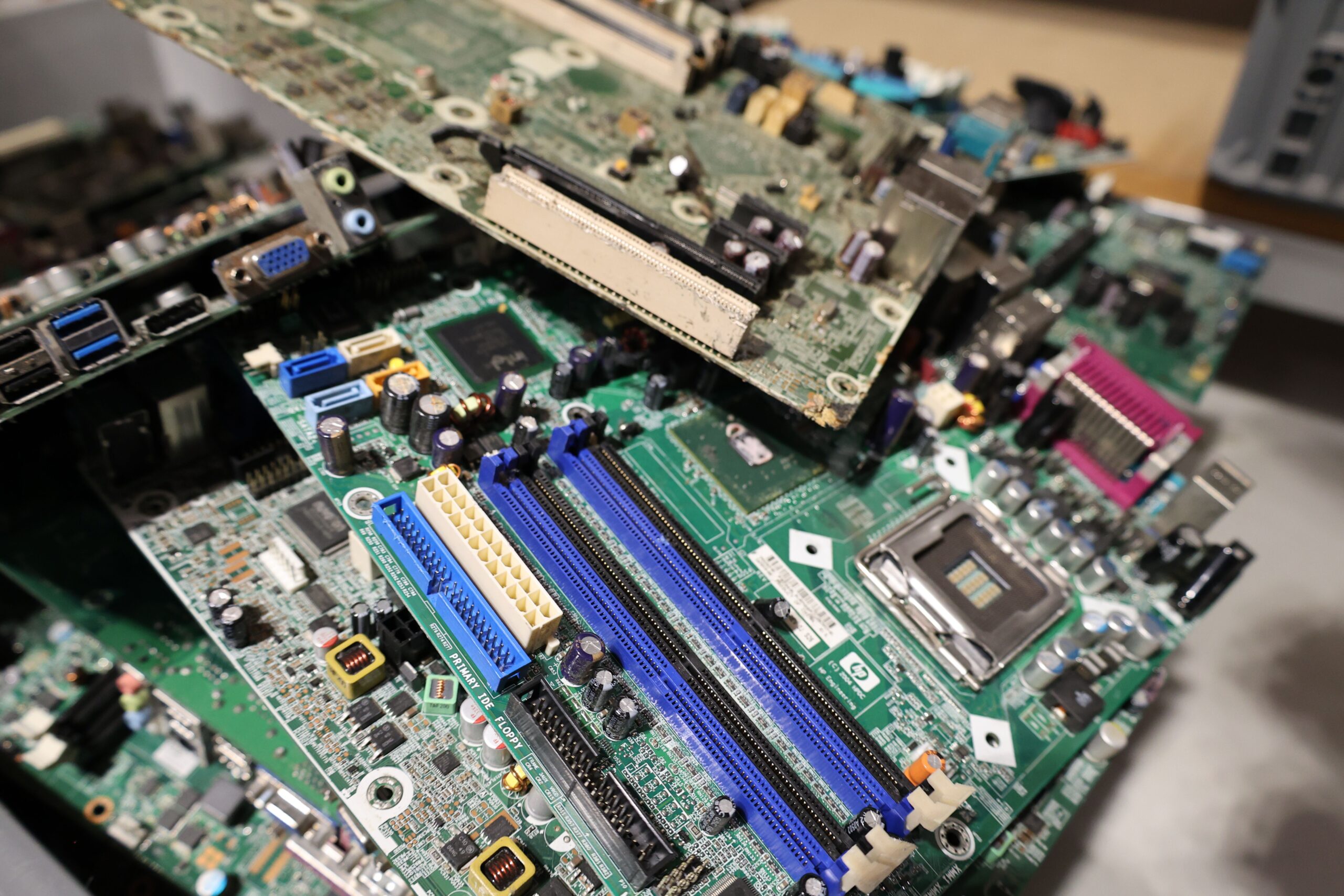
Electronic devices have become part of nearly every area of modern life. Computers, phones, televisions, printers, appliances, monitors, networking equipment, batteries, and other electronics are replaced regularly as technology changes or equipment reaches the end of its useful life. As more devices are discarded, responsible disposal becomes increasingly important.
This is where electronic waste recycling companies can provide an important service by helping businesses, households, and organizations manage unwanted electronics more responsibly.
Electronic waste, often called e-waste, contains a mixture of useful materials and components that should not simply be treated like ordinary household trash. Some devices contain metals, plastics, glass, batteries, and other materials that can be recovered or handled through specialized processes. Proper recycling can help keep these materials in use while reducing the amount of electronic waste sent to landfills.
Reducing Electronic Waste
The amount of electronic equipment used by homes and businesses continues to grow as people rely on newer technology for communication, work, education, entertainment, and daily tasks. When older devices are replaced, they need a suitable destination. Keeping unused electronics in storage may only delay the disposal decision, while placing them in regular trash can create unnecessary waste.
Electronic waste recycling companies provide a way to move unwanted equipment into a more organized recycling process. Instead of treating an old computer, printer, monitor, or other device as ordinary garbage, specialized recyclers can sort equipment and determine which materials or components may be recovered.
For businesses, this can be especially useful because offices may replace large amounts of equipment during technology upgrades. Computers, servers, monitors, phones, cables, printers, and other devices can accumulate quickly.
Having a consistent recycling process helps organizations manage this equipment rather than allowing outdated electronics to remain in storage indefinitely.
Recovering Useful Materials
Many electronic devices contain materials that have continued value even after the equipment itself is no longer useful. Metals, plastics, glass, and other components may be separated and processed for future use. Recovering these materials can reduce the need to rely entirely on newly extracted resources.
Material recovery also helps make better use of resources that have already entered the manufacturing cycle. Electronics can contain valuable metals that require significant effort to extract from the earth. Recycling suitable materials allows some of those resources to re-enter production rather than being lost when devices are discarded.
The work involved in electronics recycling is more complex than simply placing devices into a recycling bin. Equipment may need to be collected, sorted, inspected, dismantled, processed, and separated according to its materials. Companies such as Reboot Electronic Recycling operate within this specialized area, showing why dedicated recycling services can be useful when dealing with electronic equipment.
Supporting Responsible Disposal
Responsible disposal is important because electronics can contain materials that require careful handling. Batteries, circuit boards, displays, components, and other parts should be managed according to appropriate recycling and disposal procedures. Sending these materials through a specialized process helps reduce the chance that unsuitable items will end up in regular waste streams.
Businesses also have additional responsibilities when disposing of equipment that may contain stored information. Old computers, phones, servers, storage drives, and other devices can contain business records, customer information, employee details, passwords, or personal files. Before equipment is recycled, organizations should have appropriate data management procedures in place.
Data security and physical recycling are separate concerns, but they often need to be considered together. A responsible electronics disposal plan can include identifying devices that contain storage media, removing or securely destroying data when appropriate, tracking equipment, and documenting the disposal process.
Reducing Environmental Impact
Electronic waste recycling can help reduce the environmental effects associated with producing and disposing of electronic products. Manufacturing new devices requires raw materials, energy, transportation, processing, packaging, and other resources. Recovering usable materials from old equipment can help reduce some of the demand associated with producing materials from new sources.
Recycling also helps divert suitable electronics from landfills. Although not every part of an electronic device can be recovered, proper sorting allows recyclable materials to be separated from components that require different forms of handling. This creates a more controlled approach to electronic waste management.
As technology continues to change, responsible disposal becomes increasingly relevant. Consumers replace smartphones, computers, televisions, appliances, and other electronics more frequently than in previous generations. Developing better recycling habits can help communities manage this growing waste stream while encouraging more thoughtful use of resources.
Building Better Recycling Practices
The importance of electronic waste recycling companies continues to grow as technology becomes a larger part of everyday life. Specialized recycling services help manage unwanted electronics, recover useful materials, support responsible disposal, reduce waste, and give businesses a more organized way to handle outdated equipment.
Electronic recycling is only one part of a larger effort to use resources more responsibly. Repairing devices when practical, extending product life, donating usable equipment, purchasing thoughtfully, protecting data, and recycling items at the end of their useful lives can all contribute to better waste management.
Electronic waste should not be treated as ordinary garbage. Devices contain materials that can sometimes be recovered, components that require careful handling, and information that may need protection before disposal.
By using appropriate recycling channels and developing consistent disposal habits, households, businesses, and organizations can manage electronic waste more responsibly while helping valuable materials remain in circulation.