



Introduction
The mechanical keyboard world has shifted rapidly over the past few years, and one of the most noticeable movements is toward smaller, more efficient layouts. The compact 60 keyboard Trends That Are Shaping Modern Typing Experiences reflect how users now prioritize minimalism, portability, and desk efficiency without sacrificing performance or comfort.
As remote work, gaming, and digital creativity continue to evolve, users are rethinking what they actually need from a keyboard. The Compact 60 Keyboard Trends That Are Shaping Modern Typing Experiences highlight a broader shift in design philosophy—less clutter, more intention, and smarter functionality.
The Rise of Minimalist Desk Setups
One of the strongest drivers behind 60% keyboard popularity is the minimalist workspace movement. Users are removing unnecessary peripherals and focusing on clean, distraction-free setups.
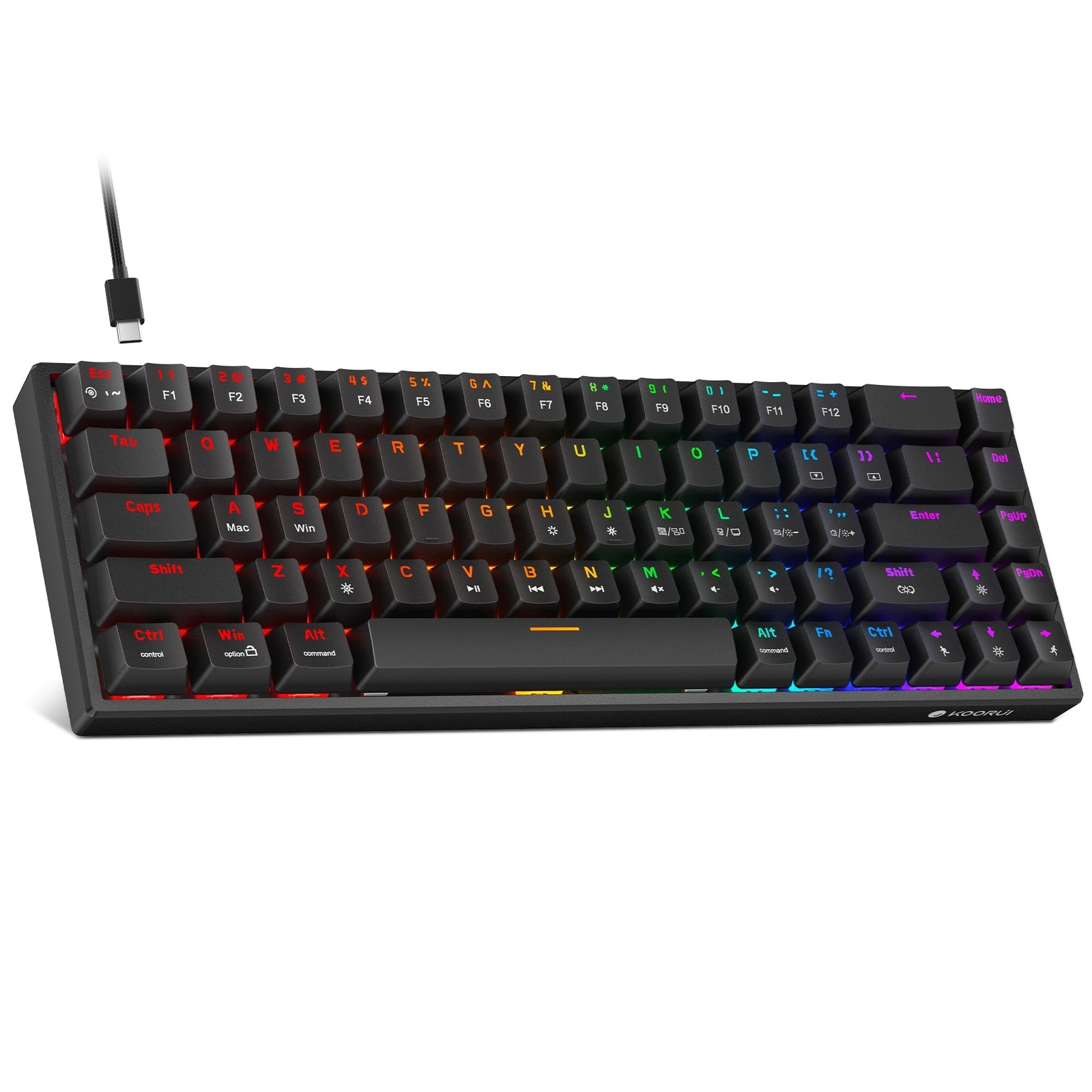
A 60% keyboard removes the function row, navigation cluster, and numpad, leaving only the essential alphanumeric keys. This reduction creates more room for mouse movement, which is especially valuable for gamers and designers.
Minimalist setups are not just aesthetic—they improve ergonomics by reducing shoulder strain and encouraging better posture. Many users report feeling more focused in cleaner environments, which is a major reason compact layouts continue to grow.
Portability and On-the-Go Productivity
Another major trend is portability. Students, freelancers, and digital nomads are increasingly choosing compact keyboards that can easily fit into backpacks or laptop sleeves.
A 60% layout is lightweight, travel-friendly, and often wireless, making it ideal for users who switch between workspaces frequently. Whether working in a café, co-working space, or office, portability has become a defining feature of modern keyboard design.
This trend also aligns with the rise of hybrid work environments, where flexibility matters more than fixed workstation setups.
Customization and Community Growth
Mechanical keyboard enthusiasts have played a huge role in shaping innovation. The customization scene—switch swapping, keycap sets, and programmable layers—has exploded in popularity.
Compact keyboards, especially 60% layouts, are highly customizable due to their simplified structure. Users rely heavily on function layers to replace missing keys, which opens up endless personalization possibilities.
The enthusiast community has turned keyboards into a creative hobby rather than just a productivity tool. Group buys, artisan keycaps, and custom firmware have all contributed to this growing ecosystem.
Gaming Performance and Competitive Edge
Gamers have also embraced compact layouts for performance reasons. With more desk space available for mouse movement, especially in low-DPI gaming scenarios, a 60% keyboard provides a practical advantage.
Fast-paced games benefit from reduced hand travel distance, allowing quicker transitions between keyboard and mouse. Many esports players prefer compact setups because they reduce physical clutter and improve reaction efficiency.
Even though some keys are missing, layered controls and macro programming ensure that functionality is not compromised.
Wireless Technology and Low Latency Advances
Wireless performance has improved significantly, eliminating one of the biggest concerns about compact keyboards in the past. Modern 2.4GHz connections and Bluetooth 5.0+ technology now offer near-zero noticeable input lag.
Battery life has also improved, with many models lasting weeks or even months on a single charge. This makes wireless compact keyboards practical for both gaming and professional use.
The combination of portability and reliable wireless performance has helped accelerate adoption across different user groups.
Ergonomics and Health-Conscious Design
Ergonomics is another area influencing keyboard design trends. A compact layout encourages users to keep their mouse closer, reducing arm strain and improving shoulder alignment.
Some users also pair 60% keyboards with adjustable desk heights or ergonomic chairs to create healthier workstation environments. The reduced reach required for navigation keys contributes to less repetitive strain over long typing sessions.
While not a replacement for full ergonomic keyboards, compact layouts offer a balance between efficiency and comfort.
Software Layering and Smart Key Mapping
Because 60% keyboards lack dedicated function keys, software layers have become essential. Modern firmware like VIA, QMK, and proprietary configuration tools allow users to assign multiple functions to a single key.
This has turned compact keyboards into highly intelligent input devices. Users can switch between layers for media controls, coding shortcuts, or gaming macros with ease.
This flexibility ensures that smaller layouts do not limit productivity—they actually enhance it when configured properly.
Future Outlook of Compact Keyboard Design
Looking ahead, compact keyboards are expected to become even more advanced. Features like OLED displays, rotary knobs, and haptic feedback are already appearing in premium models.
Manufacturers are also experimenting with modular layouts, allowing users to physically reconfigure their keyboards based on usage scenarios.
As innovation continues, compact designs will likely remain at the center of keyboard evolution due to their adaptability and efficiency.
Conclusion
The Compact 60 Keyboard Trends That Are Shaping Modern Typing Experiences demonstrate a clear shift toward efficiency, portability, and personalization. From gaming performance to minimalist workspaces, these keyboards are redefining how people interact with their digital environments.