



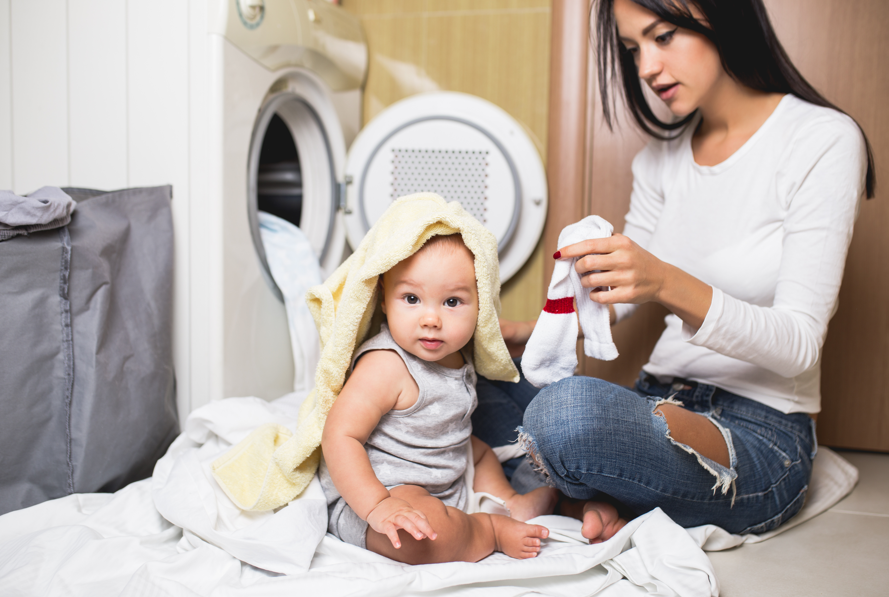
The clothing choices we make for our children go far beyond style and color. In recent years, more parents have been making a conscious shift toward all-natural fabrics, moving away from synthetic materials that have dominated the market for decades. This transition reflects a growing awareness of what touches our children’s delicate skin and the long-term impact of our purchasing decisions.
The Skin Sensitivity Factor
Children’s skin is remarkably different from adult skin. It’s thinner, more permeable, and significantly more vulnerable to irritation. Natural fabrics like organic cotton, bamboo, and linen allow the skin to breathe properly, reducing the risk of rashes, eczema flare-ups, and general discomfort. Unlike synthetic materials that can trap heat and moisture, natural fibers work with the body’s temperature regulation system rather than against it.
Parents of children with sensitive skin have noticed remarkable differences when making the switch. The reduction in mysterious rashes and the elimination of that constant scratching and tugging at uncomfortable clothing speaks volumes about the importance of fabric choice.
Chemical Concerns and Peace of Mind
Conventional clothing production often involves an array of chemicals, from pesticides used in growing conventional cotton to the synthetic dyes and finishing treatments applied during manufacturing. These substances can linger in the fabric, coming into direct contact with skin throughout the day.
Natural fabrics, especially those produced through organic and sustainable methods, minimize this chemical exposure. For parents already mindful about what goes into their children’s bodies through food, it makes sense to extend that same care to what goes onto their bodies through clothing.
Durability That Makes Economic Sense
There’s a common misconception that natural fabrics are delicate or impractical for the rough-and-tumble world of childhood. The reality is quite different. High-quality natural fibers often outlast their synthetic counterparts, maintaining their shape, softness, and color through countless washes and adventures.
Companies like Bumbleboo have demonstrated that natural fabrics can withstand everything from playground dirt to spaghetti sauce while remaining soft and comfortable. This durability means fewer replacements and better value over time, even if the initial investment is slightly higher.
The Comfort Connection
Ask any parent what matters most when dressing their child, and comfort tops the list. Natural fabrics excel in this area, offering a softness and flexibility that synthetic materials struggle to replicate. The breathability of materials like cotton and bamboo means children stay comfortable across different seasons and activity levels.
This comfort translates into happier children and fewer clothing battles. When kids feel good in what they’re wearing, they’re less distracted by discomfort and more free to explore, play, and learn.
Environmental Consciousness Starts Early
Many parents view their fabric choices as an opportunity to instill values in their children from an early age. Natural, sustainably produced fabrics have a significantly smaller environmental footprint than synthetics derived from petroleum. They’re biodegradable, require less energy to produce, and don’t contribute to microplastic pollution with each wash.
Teaching children that their choices matter, even in something as simple as clothing, plants seeds of environmental awareness that can grow throughout their lives.
The Allergen Advantage
For families dealing with allergies or asthma, the choice of natural fabrics can be particularly important. Synthetic materials can harbor dust mites more readily and may contribute to indoor air quality issues through off-gassing. Natural fabrics tend to be hypoallergenic and create a healthier environment around sensitive children.
Making the Transition
Switching to all-natural fabrics doesn’t have to happen overnight. Many parents start with items that spend the most time against their child’s skin, like underwear, pajamas, and everyday basics. As these pieces need replacement, natural options fill the gap.
The key is looking beyond the price tag to consider the total value: comfort, safety, durability, and peace of mind. Reading labels carefully and understanding what “natural” truly means helps ensure you’re getting genuine quality rather than greenwashed marketing.
A Growing Movement
The shift toward natural fabrics represents more than a trend; it’s a fundamental rethinking of what we want for our children. As awareness grows and more options become available, parents are finding it easier to make choices that align with their values while meeting the practical demands of raising active, growing children.
The comfort, safety, and sustainability of natural fabrics make them an investment in our children’s wellbeing and their future world.
