



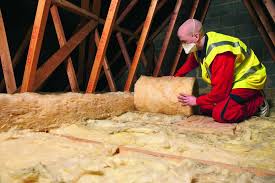
As energy prices continue to challenge household budgets and sustainability becomes more important than ever, one home improvement stands out for its simplicity, affordability, and effectiveness: loft insulation. Despite being one of the most straightforward upgrades you can make, many UK homes still lack proper insulation in the loft and that means they’re losing heat and money unnecessarily.
If you’re looking to make your home more energy efficient without breaking the bank, loft insulation is a smart place to start. Here’s why it’s essential in 2025 and how it can benefit your home long into the future.
The Key Home Insulation Benefits You Shouldn’t Overlook
Heat naturally rises, which means up to 25% of your home’s warmth can escape through an uninsulated roof. Proper loft insulation acts as a barrier, trapping warmth inside during the colder months and helping to maintain a cooler indoor environment during the summer.
Among the most noticeable home insulation benefits are:
- More consistent indoor temperatures
- Reduced heating requirements
- Improved overall energy efficiency
- A smaller carbon footprint
- Increased property value
Whether you live in a detached house or a mid-terrace, insulating your loft is a cost-effective way to boost comfort and savings.
Cut Heating Costs Without Sacrificing Comfort
Many UK households are still struggling with rising utility costs. By retaining more warmth indoors, loft insulation helps to cut heating costs UK residents face throughout autumn and winter. It also reduces strain on your boiler, meaning less fuel is needed to keep your home at a comfortable temperature.
These savings accumulate over time, often covering the cost of installation within just a few years — making it one of the best returns on investment for any home improvement.
Loft Insulation Grants Available Across the UK
To encourage wider adoption of energy-saving measures, the UK government and local authorities offer loft insulation grants for qualifying households. These grants can cover all or part of the installation cost, depending on your eligibility.
If you receive certain benefits or live in a property with a low energy efficiency rating, you may qualify for assistance through schemes such as ECO4 or the Great British Insulation Scheme. It’s worth speaking to an approved installer to check your eligibility and explore what support might be available to you.
Consider Thermal Insulation Improvements Throughout the Home
While loft insulation is a great start, don’t overlook other thermal insulation improvements. Cavity wall insulation, draught-proofing, and insulated floorboards can all help reduce heat loss and lower energy use across your home.
When combined, these improvements maximise energy retention and reduce the workload on your heating system — a particularly valuable strategy in older or poorly insulated properties.
Choosing the Right Energy Saving Insulation
There are different types of energy saving insulation available for loft spaces, including blanket-style rolls, blown-in insulation, and rigid boards. The best choice depends on your roof type, access, and whether the space is used for storage.
Professional installers can recommend the most suitable material for your home and ensure it meets current building regulations and performance standards. Investing in proper insulation not only helps reduce your bills but also supports the UK’s broader sustainability goals.
Make Loft Insulation Your First Step Toward Efficiency
If you’re looking for an upgrade that delivers real value in both comfort and cost savings, loft insulation is a must. It’s affordable, effective, and backed by a range of support options that make it accessible to households across the UK.
In 2025 and beyond, improving your home’s energy efficiency starts from the top down and insulating your loft is one of the smartest decisions you can make.
