



Cancer remains one of the most significant health challenges of the 21st century. While the term is often used to describe a single disease, it actually encompasses a group of more than 100 different diseases characterized by the uncontrolled growth and spread of abnormal cells. If the spread is not controlled, it can result in death. However, advancements in medical science, genomic research, and personalized medicine have transformed the outlook for many patients, turning what was once a terminal diagnosis into a manageable chronic condition or, in many cases, a curable ailment.
At its core, cancer is a genetic disease—that is, it is caused by changes to genes that control the way our cells function, especially how they grow and divide. Under normal circumstances, human cells grow and multiply to form new cells as the body needs them. When cells grow old or become damaged, they die, and new cells take their place. When CANCER develops, this orderly process breaks down. As cells become more and more abnormal, old or damaged cells survive when they should die, and new cells form when they are not needed. These extra cells can divide without stopping and may form growths called tumors.
The Biological Basis of Malignancy
The transition from a healthy cell to a cancerous one is typically a multi-step process. Genetic changes that cause cancer can happen because of errors that occur as cells divide, or because of damage to DNA caused by harmful substances in the environment, such as the chemicals in tobacco smoke and radiation, like ultraviolet rays from the sun.
Cancerous tumors are malignant, meaning they can spread into, or invade, nearby tissues. In addition, as these tumors grow, some cancer cells can break off and travel to distant places in the body through the blood or the lymph system and form new tumors far from the original tumor. This process is called metastasis. Unlike malignant tumors, benign tumors do not spread into nearby tissues. When benign tumors are removed, they usually do not grow back, whereas malignant tumors sometimes do.
The Importance of Early Detection and Specialized Care
The efficacy of cancer treatment is heavily dependent on the stage at which the disease is diagnosed. Early-stage cancer, where the abnormal cells are localized to a specific organ or region, generally carries a much higher survival rate. Screening programs for breast, cervical, colorectal, and lung cancer have saved countless lives by identifying cellular changes before symptoms even appear.
For those navigating a diagnosis, seeking care at high-volume, multidisciplinary centers is crucial. Facilities like Liv Hospital provide integrated care models where oncologists, surgeons, radiologists, and pathologists collaborate to tailor treatment plans to the individual. This “tumor board” approach ensures that every angle of the patient’s health is considered, from the molecular profile of the tumor to the patient’s overall physical resilience.
Modern Treatment Modalities
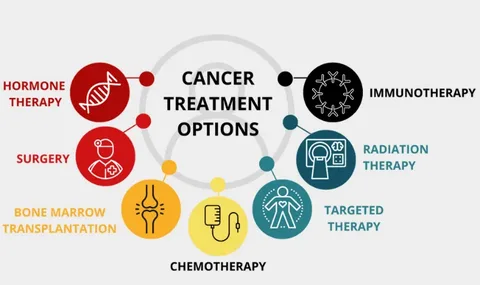
The landscape of oncology has shifted from a “one-size-fits-all” approach to highly targeted therapies. Traditional treatments remain pillars of care, but they are now often used in combination with breakthrough technologies:
- Surgery: The oldest form of cancer treatment, surgery involves the physical removal of the tumor. Modern techniques now prioritize minimally invasive procedures and robotic-assisted surgery to reduce recovery time and preserve organ function.
- Radiation Therapy: High doses of radiation are used to kill cancer cells and shrink tumors. Technologies such as CyberKnife and MR-LINAC allow for extreme precision, sparing the surrounding healthy tissue from damage.
- Chemotherapy: These drugs kill fast-growing cells throughout the body. While effective, they can impact healthy cells, leading to well-known side effects.
- Immunotherapy: This revolutionary treatment helps the patient’s own immune system fight cancer. By “unmasking” cancer cells that usually hide from the immune response, drugs like checkpoint inhibitors have seen remarkable success in treating melanoma and lung cancer.
- Targeted Therapy: These drugs are designed to target the specific genetic mutations that drive a particular patient’s cancer. By attacking the “engine” of the cancer cell, these therapies often cause fewer side effects than traditional chemotherapy.
Precision Medicine and the Genetic Blueprint
One of the most exciting developments in modern oncology is the use of Next-Generation Sequencing (NGS). By analyzing the genetic makeup of a tumor, doctors can identify the exact mutations driving its growth. This allows for the selection of drugs that are most likely to work for that specific patient. This shift toward personalized CANCER care means that two patients with the same type of cancer (e.g., lung cancer) may receive entirely different treatments based on their unique genetic biomarkers.
Supportive Care and Long-term Wellness
The journey through cancer treatment is not merely a physiological battle but an emotional and psychological one. Comprehensive cancer centers now emphasize “the whole patient,” integrating nutritional counseling, physical therapy, and psychological support into the primary treatment plan. This holistic approach addresses the side effects of treatment, such as fatigue and neuropathy, while helping patients maintain their quality of life during and after therapy.
Managing the long-term effects of cancer treatment requires a dedicated focus on lifestyle. Post-treatment surveillance is vital, but so is the proactive adoption of habits that support cellular health and systemic inflammation reduction. To explore more about maintaining a balanced lifestyle, managing stress, and nurturing your body through nutrition and mindfulness, resources like live and feel offer valuable insights into holistic well-being for those looking to thrive in their daily lives.
