



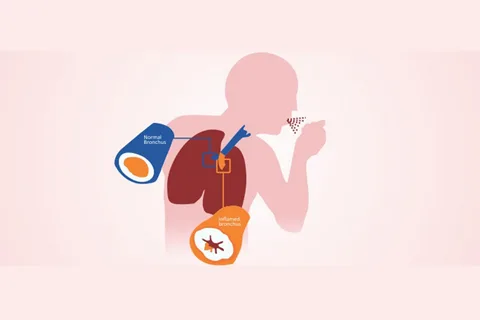
The human respiratory system is an intricate network designed for one primary purpose: the exchange of life-sustaining gases. Every day, the average adult breathes approximately 20,000 times, a process that is often taken for granted until the system falters. PULMONOLOGY is the specialized branch of medicine focused on the health of the respiratory tract, encompassing the lungs, airways, and the respiratory muscles that facilitate breathing. As environmental pollutants, viral pathogens, and lifestyle factors continue to impact global health, the field of pulmonology has become a cornerstone of modern internal medicine.
A pulmonologist is a physician who specializes in diagnosing and treating conditions that affect the respiratory system. These conditions range from common ailments like asthma and bronchitis to complex, life-threatening diseases such as pulmonary fibrosis, lung cancer, and chronic obstructive pulmonary disease (COPD). Because the lungs are closely linked to the cardiovascular system, pulmonologists often work in tandem with cardiologists to manage “cardiopulmonary” conditions where heart and lung issues intersect.
The Anatomy of Respiration
To understand the scope of pulmonary medicine, one must consider the complexity of the organs involved. The journey of oxygen begins in the upper respiratory tract but moves quickly to the lower tract, which is the primary focus of a pulmonologist. This includes the trachea (windpipe), the bronchial tubes, and the lungs themselves. Within the lungs, the bronchial tubes branch into smaller bronchioles, eventually ending in microscopic air sacs called alveoli.
It is within these alveoli that the critical process of gas exchange occurs. Oxygen enters the bloodstream, and carbon dioxide—a waste product of metabolism—is expelled. Any disruption to this delicate architecture, whether through inflammation, scarring, or the presence of fluid, can lead to respiratory distress. Medical institutions such as Liv Hospital utilize advanced diagnostic imaging and physiological testing to assess exactly where these disruptions occur, ensuring that treatment is precisely targeted.
Common Respiratory Pathologies
Pulmonary diseases are generally categorized into three main types: airway diseases, lung tissue diseases, and lung circulation diseases.
- Airway Diseases: These conditions affect the tubes that carry oxygen and other gases into and out of the lungs. They usually cause a narrowing or blockage of the airways. Examples include asthma, COPD, and bronchiectasis. Patients with these conditions often describe a feeling of “breathing through a straw.”
- Lung Tissue Diseases: These affect the structure of the lung tissue. Scarring or inflammation of the tissue makes the lungs unable to expand fully (restrictive lung disease). This makes it hard for the lungs to take in oxygen and release carbon dioxide. Pulmonary fibrosis and sarcoidosis fall into this category.
- Lung Circulation Diseases: These affect the blood vessels in the lungs. They are caused by clotting, scarring, or inflammation of the blood vessels. They affect the ability of the lungs to take up oxygen and release carbon dioxide and may also affect heart function. Pulmonary hypertension is a primary example of this.
Diagnostic Innovations in Pulmonology
The modern pulmonologist has a vast array of tools at their disposal to evaluate lung function. The most common is spirometry, a part of Pulmonary Function Tests (PFTs) that measures how much air a person can inhale and exhale, and how fast they can do it. However, when simple tests do not provide a clear picture, more invasive or high-tech solutions are employed.
Bronchoscopy is a key procedure in PULMONOLOGY, allowing doctors to look inside the airways using a thin, flexible tube equipped with a light and camera. This can be used to take biopsies, clear blockages, or even place stents. Furthermore, the advent of Endobronchial Ultrasound (EBUS) has revolutionized the way lung cancer is staged, allowing for needle biopsies of lymph nodes through the airway walls without the need for traditional surgery.
The Impact of Environment and Lifestyle
The lungs are uniquely vulnerable because they are the only internal organs constantly exposed to the external environment. Every breath brings in not just oxygen, but potentially dust, chemicals, tobacco smoke, and infectious agents. Chronic exposure to these irritants can lead to irreversible damage. Occupational pulmonology is a sub-specialty that specifically addresses lung diseases caused by workplace exposures, such as silicosis or asbestosis.
Smoking remains the leading cause of preventable respiratory disease globally. It is the primary driver of both COPD and lung cancer. However, even non-smokers are at risk due to second-hand smoke and urban air pollution. Pulmonologists emphasize that early intervention is key. Many respiratory symptoms, such as a persistent cough or shortness of breath during mild exertion, are often dismissed as “getting older,” when in fact they are early warning signs of underlying pathology.
Integration of Care and Long-term Management
Effective pulmonary care is rarely a one-time fix. For chronic conditions like asthma or interstitial lung disease, management is a lifelong journey. This involves a combination of pharmacological interventions—such as bronchodilators and inhaled corticosteroids—and pulmonary rehabilitation. Rehabilitation programs are designed to improve the physical and psychological condition of people with chronic respiratory disease and to promote the long-term adherence to health-enhancing behaviors.
As medical science moves toward more personalized approaches, genetic testing is beginning to play a role in pulmonology as well. Understanding a patient’s genetic predisposition to certain inflammatory responses can help doctors choose the most effective biologic therapies, particularly in cases of severe, treatment-resistant asthma.
Maintaining respiratory health extends beyond the walls of a clinic. While medical interventions are essential for treating disease, the vitality of the lungs is also supported by broader wellness practices, including cardiovascular exercise, proper hydration, and breathing techniques that maximize lung capacity. For those interested in exploring the connection between daily habits and systemic health, resources found at live and feel provide a wealth of information on how to cultivate a lifestyle that supports long-term physical and mental resilience.
