



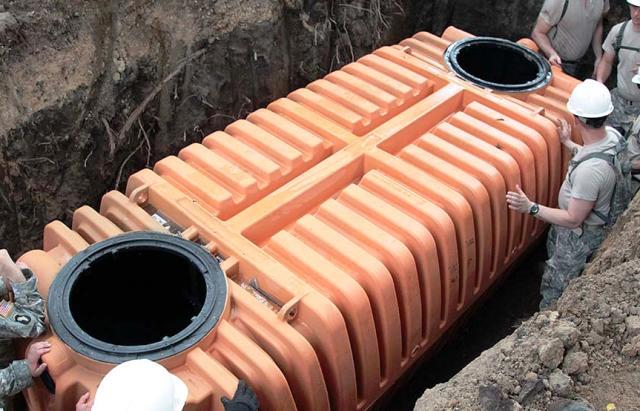
A Brief Overview of Septic Systems and Their Importance
Septic systems, often hidden and unconsidered, are vital components of our daily life. They serve as individual, onsite wastewater treatment structures that efficiently process waste from households not connected to a municipal sewage system.
These systems are typically found in rural areas where it is impractical or impossible to install sewer lines. The primary role of a septic system is to collect all the waste water from a home, separate solid waste from the liquid, break down organic matter through bacterial action, and finally disperse the treated effluent back into the environment.
This essential function prevents the contamination of nearby water sources with pathogens and harmful substances present in untreated wastewater. Also noteworthy is the considerable economic value that adequately maintained septic systems add to properties.
Homes equipped with efficient septic systems benefit from self-sustained sanitation facilities that do not rely on public sewage infrastructure. This level of autonomy can be appealing for homebuyers who value privacy or wish to reside away from densely populated areas.
Debunking Misconceptions: Septic System Maintenance
One common misconception regarding septic system maintenance is that “if it ain’t broke don’t fix it.” Many homeowners harbour the mistaken belief that septic systems require attention only when problems arise. This reactive approach ignores an important truth about these units: they operate continuously without showing visible signs until something goes severely awry.
Fuelled by lack of knowledge or wishful thinking, many property owners disregard preventative measures such as regular inspection and pumping until faced with an overflowing tank or standing water on their property. But neglecting these crucial maintenance tasks can lead to significant complications — including expensive repairs or even total system replacement — which far surpass routine service cost.
Another misbelief centers around the efficacy of septic tank additives. Some believe that these products can reduce or even eliminate the need for regular pumping.
While certain additives can aid in breaking down waste, they cannot replace the physical removal of sludge build-up. Over-reliance on these products instead of regular tank cleaning can result in system failure and unexpected financial burdens.
Plumbing the Depths: Understanding Septic Systems
To truly appreciate the implications of neglecting septic system maintenance, one must first comprehend how these intricate systems function. Septic systems are essentially personalized wastewater treatment facilities located on your property. They are designed to safely and efficiently process all the water and waste that flows from your home, including what originates from toilets, sinks, washing machines, and showers.
The basic operation of a septic system is a tango of biology and engineering. Once wastewater leaves your house through plumbing pipes, it enters the septic tank – an underground, often waterproof container typically made from concrete or fiberglass.
The primary role of this tank is to hold the wastewater long enough for solids to settle down as sludge while oil and grease float up as scum. This process is known as primary treatment.
Over time, naturally occurring bacteria in the septic tank begin breaking down these solid wastes. However, not all solids can be completely broken down by these bacteria; hence regular pumping out of this accumulated solid waste becomes necessary to prevent it from reaching excessive levels that can obstruct the system’s functioning.
From Field to Filter: The Role of a Drain Field
After leaving the tank, partially treated wastewater then moves into a drain field (also known as a leach field or soil absorption field). Here comes into play one important aspect which separates septic systems from mere storage units – natural filtration.
The drain field is typically structured with perforated pipes laid in gravel-filled trenches or beds beneath the soil surface. Wastewater trickles out through these perforations and percolates through gravel and soil layers which act as biological filters.
These substrates help eliminate remaining impurities in the wastewater before it finally returns back into nature’s cycle via groundwater sources. It’s crucially important for homeowners to ensure that their drain fields never become overloaded with too much liquid waste, as that could lead to wastewater surfacing on the ground or backing up in pipes – scenarios that signal system failure.
One Size Does Not Fit All: Types of Septic Systems
While all septic systems serve the same fundamental purpose, they are not monolithic in design or function. There are several types of septic systems available, each with their unique characteristics tailored to meet varying needs dictated by topography, soil conditions, climate and groundwater levels. Conventional septic systems make use of gravity to direct the flow of treated water from the tank into a series of buried perforated pipes in a drain field.
On the other hand, chamber systems also rely on a standard septic tank but utilize large-diameter pipes for better absorption into surrounding soil. In more challenging landscapes where traditional systems might not work effectively due to shallow soils or high groundwater tables, one might come across mound or sand filter systems.
Mound type systems utilize a man-made mound of sandy soil atop the drain field while sand filter types have a large box filled with sand placed between the septic tank and drain field. Though diverse in operation and design all these types share one common feature – neglect any and you may be courting potential disaster.
The Imperative of Regular Septic System Maintenance
Why Regular Maintenance Is Necessary
Regular maintenance of septic systems is not a luxury but a necessity for any responsible homeowner. Just like any other essential home infrastructure, your septic system requires periodic attention to remain functional and efficient.
This unseen workhorse is responsible for the critical task of managing your household’s wastewater. Without regular maintenance, this system can become inefficient and eventually fail.
Maintaining your septic system regularly helps it to process waste matter effectively, ensuring that the tank does not overflow or back up into your home. It also allows for early detection of potential issues such as cracks in the tank or blockages in the drain field, preventing minor problems from escalating into costly repairs or replacements.
Beyond just efficiency and prevention of issues, regular maintenance also extends the lifespan of your septic system. It allows it to provide reliable service over an extended period; therefore, saving homeowners from premature replacement costs which can be quite prohibitive.
Preventing System Failure
A properly maintained septic system is less likely to experience catastrophic failure. Such a failure can have far-reaching consequences beyond just financial cost; it can cause damage to your property and pose health risks due to exposure to raw sewage. Regular check-ups allow for early detection and resolution of problems before they escalate.
An improperly maintained septic tank can lead to solids escaping into the drain field, causing clogs that reduce its effectiveness and ultimately lead to complete system failure. Such scenarios often require extensive (and expensive) repairs or even whole-system replacement.
Scheduling regular professional inspections will help ensure that all components are functioning correctly and mitigate potential failures. These inspections usually include checking for leaks, examining baffles and tees, measuring scum and sludge layers, and checking the drain field.
Protection of Property Value
A failing septic system can have a significant negative impact on your property’s value. Potential buyers are likely to be deterred by the prospect of having to replace or repair a septic system, a cost they would inevitably factor into their offer price.
Furthermore, most lending institutions require septic inspections before mortgage approval; hence an ill-maintained septic system might prevent potential buyers from securing financing for the property. This reduces your pool of potential buyers and may lead to longer selling times or reduced prices.
In worst-case scenarios, a failing septic system can cause significant damage to your property and make it uninhabitable until costly repairs are made. Regular maintenance helps protect against such risks, ensuring that your property retains its value and remains attractive in the market.
Ensuring Health and Safety
The importance of regular maintenance extends beyond just financial considerations; it is also critical for health and safety. A neglected septic tank can lead to wastewater backing up into your home or overflowing onto your property – both scenarios pose serious health risks due to exposure to raw sewage.
Bacteria, viruses, and other pathogens in wastewater can contaminate groundwater if not adequately treated by the septic system. This poses a risk not only to humans but also local flora and fauna who depend on that water source.
Ensuring that wastewater is properly treated helps protect everyone’s health. Beyond these immediate risks, there is also the potential long-term harm caused by pollutants entering water bodies such as rivers or lakes through untreated runoff from failed septic systems which not only affects wildlife but could eventually affect our sources of drinking water too.
Recommended Frequency for Septic System Check-ups
Experts recommend septic system inspections at least once every three years, although homeowners with electrical or mechanical components such as pumps may need to schedule check-ups annually. These regular inspections allow for early detection and correction of potential issues, preventing costly repairs down the line. Septic tanks typically require pumping every three to five years, depending on the size of the tank and the number of people in the household.
Regular pumping prevents the buildup of solids in your tank, which can reduce its efficacy and lead to problems like clogs or backups. Regular professional maintenance not only saves you money in the long run but also gives you peace of mind knowing that your septic system will continue to function efficiently and safely for many years.
Consequences and Costs Associated with Neglecting Septic System Maintenance
The Unpleasant Reality of Short-term Consequences: Clogs, Backups, and Odors
Neglecting routine septic system maintenance can rapidly lead to short-term consequences such as clogs, backups, and repugnant odors. When septic tanks are not pumped regularly to remove the accumulated solids, these materials can flow into the drain field, creating blockages that prevent wastewater from being adequately absorbed into the ground.
This obstruction then forces wastewater back up through plumbing fixtures, resulting in an unsightly mess within your home. Furthermore, systemic neglect results in a compromised system that allows gases to escape from the tank.
These gases produce a nauseating stench that permeates your property—an unpleasant experience for both you and your neighbors. Compounded by the sight of sewage backup, it is an unfortunate spectacle that garners immediate attention.
The Financial Burden of Immediate Repairs or Clean-up
The costs associated with remedying these short-term issues can be significant. Immediate repairs necessitated by blocked pipes or drain fields often require professional intervention which comes with expensive service fees. Furthermore, you may be obliged to arrange for hazardous waste cleanup services if there has been substantial sewage backup within your home—a situation that is not only unpleasant but also financially taxing.
In addition to these direct costs are ancillary expenses like potential accommodation arrangements if your home becomes uninhabitable during clean-up and repair work. These unplanned financial outlays underscore how neglect of regular septic system maintenance can create unnecessary strain on household budgets.
Long-term Consequences: Total System Failure & Environmental Damage
While short-term consequences pose immediate nuisances and costs, long-term consequences present an even graver scenario—total system failure leading to severe environmental damage. A neglected septic system may eventually lead to complete system collapse, wherein the septic tank or drain field fail entirely.
This is a catastrophic event that necessitates complete system replacement—an extremely costly endeavor. A failed septic system is not just an infrastructural issue, it engenders significant environmental damage as well.
The effluent overflow can contaminate local soil and groundwater with harmful bacteria and other pathogens. This pollution is not merely contained within your property—it has the potential to reach natural water bodies, thereby affecting the wider ecological balance.
High Costs of Replacing a Failed System vs Regular Maintenance Costs
The costs related to replacing a failed septic system are exorbitantly higher than those linked to regular maintenance. A new installation involves excavation, purchasing and installing new equipment, and ensuring all necessary permits and inspections are in place—each step carrying its own hefty price tag. Contrastingly, routine maintenance—though it might seem bothersome—is considerably less expensive.
Regular pump-outs, component checks, and minor repairs can extend your septic system’s lifespan significantly while keeping costs manageable over time. The stark difference in expense highlights how preventive measures can save homeowners from the draconian financial repercussions associated with total septic system failure.
Niche Subtopic: Hidden Costs Associated with Septic System Neglect
Diminishing the Value of Your Oasis: Impact on Property Value and Sale Complications
It is a well-established fact that a properly functioning septic system is integral to preserving the value of your property. Potential buyers are rarely eager to inherit significant problems, particularly those as unpleasant and potentially costly as septic system malfunctions.
If a routine inspection reveals an inadequately maintained or failing septic system, it can act as a potent deterrent for potential buyers, leading to protracted sale processes or even withdrawal of interest altogether. Moreover, many financial institutions necessitate proof of functional septic systems before approving any form of mortgage financing.
An ill-maintained system can significantly hinder this process, marking down your property’s market value substantially. It’s not uncommon for home sales to fall through due to issues uncovered during pre-purchase inspections related to neglected septic systems.
Additionally, the cost required for repairing or replacing a malfunctioning system can be passed on in negotiations from buyer to seller; this invariably results in lower net proceeds from the sale of your property. Thus, neglecting regular maintenance now can lead to substantive financial setbacks when you decide to sell later.
The Unseen Consequence: Potential Legal Implications Due To Environmental Damage
Beyond financial implications, disregarding proper maintenance of your septic system can lead you into dangerous territory with regards to environmental degradation laws. Leaks or failures in your system do not solely affect your household; they may also contribute towards soil contamination and groundwater pollution – an issue that could swiftly transform from a neighborhood concern into a legal entanglement.
In most jurisdictions globally, homeowners are legally responsible for any damage caused by their failed septic systems. This means that should your neglected system cause environmental harm, you could be held accountable for cleanup costs, legal expenses, and any damages awarded.
Such figures can swiftly balloon into staggering sums, far exceeding the cost of regular septic system maintenance. Moreover, it’s worth considering the impact on your reputation: being held liable for environmental damage is not a label easily shed.
It can lead to strained relations within your community and potential stigmatization. Simply put – neglecting your septic system’s health could come at an exceedingly high price, both financially and socially.
Rarely Known Details about Septic System Neglect
The Subtle Erosion: Impact on Local Wildlife due to Soil Contamination
One facet of septic system neglect that might evade the purview of many homeowners is the detrimental impact it can have on local wildlife. When a septic system fails, it doesn’t just result in an unpleasant odor or unsightly pooling; it can lead to significant soil contamination. This contamination often contains high levels of disease-causing pathogens and excessive nutrients which drastically alter the composition of the soil.
Microorganisms residing in the contaminated soil may struggle with survival, leading to a decline in their population. They play a critical role in maintaining soil health by decomposing organic matter, controlling pests, and promoting plant growth.
Thus their reduction could trigger a domino effect impacting other components in this ecosystem. Moreover, mammals, birds and insects that interact with or ingest this contaminated soil can experience adverse health effects.
Small creatures are especially susceptible given their size and close contact with the soil. The accumulated toxins could even infiltrate food chains causing harm to larger predators and potentially leading to biodiversity loss over time.
An Overlooked Burden: Septic System Neglect & Its Impact On Community Infrastructure
Beyond individual properties and local ecosystems, neglected septic systems pose substantial threats to community infrastructure as well. Many individuals may not realize that when their individual septic system fails, the burden often falls onto municipal sewage treatment plants. Sudden influxes from failed septic systems can overload these plants beyond their designed capacity resulting in untreated or inadequately treated sewage being discharged into local water bodies.
This leads not only to environmental pollution but also increases risks for human health as communities rely on these water bodies for recreational purposes or even drinking water supplies. Additionally, the costs associated with these overloads are rarely borne by the offending property alone.
Often, it is the entire community that shoulders the financial burden through increased utility fees or taxes for system upgrades. Therefore, neglecting individual septic system maintenance can indirectly lead to escalated overall community costs.
Conclusion & Call to Action
An Inescapable Responsibility
As we have traversed the multidimensional landscape of septic system neglect, it has become evident that the consequences are far-reaching and potentially devastating. From personal discomfort to depreciated property value, from environmental damage to legal ramifications, one thing is clear: proactive maintenance of your septic system is an inescapable responsibility.
However ominous this reality may seem, it’s important to remember that this responsibility lays within our hands. The power to prevent these detrimental consequences and protect not only our homes but also our communities and environment is ours for the taking.
Committing to Regular Maintenance
The cost-effective nature of regular maintenance compared with largescale repair or replacement cannot be overstated. By scheduling routine check-ups for your septic system, you ensure its longevity and efficiency while safeguarding against potential disasters.
Moreover, by investing time in understanding how your particular type of septic system works – its unique tendencies and potential vulnerabilities – you equip yourself with the knowledge necessary for preemptive action. A well-informed homeowner is a well-prepared homeowner.
A Hopeful Future
As we venture into a future where sustainable living practices are increasingly crucial, attending conscientiously to our septic systems becomes a significant part of that movement. Each preventative measure taken today serves as a protective shield for tomorrow’s world. By adopting regular maintenance routines for our septic systems, we not only secure our immediate comfort but also contribute towards preserving local ecosystems and community infrastructures.
It’s an act of respect – towards ourselves, towards others, and towards the precious earth that sustains us all. : Your actions matter.
The care you invest in your home extends beyond its walls. So let’s seize this opportunity; let’s each commit today to becoming more vigilant custodians of our septic systems, for the well-being of our world tomorrow.
