



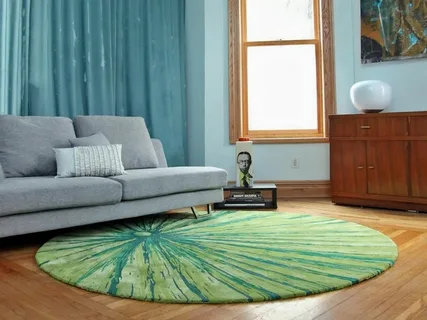
Interior design often focuses on the “big ticket” items: the sofa, the wall color, the lighting. But the floor takes up just as much visual real estate. A bare floor can make even a well-furnished room feel cold and incomplete. This is where rugs come in, specifically textured ones.
A rug does more than cover a cold floor. It anchors furniture, defines zones in open-concept spaces, and significantly alters acoustics. However, when the goal is warmth—both physical and visual—texture is the secret ingredient. Flat-weave rugs have their place, but a textured rug adds depth and coziness that flat fabrics simply cannot replicate.
If your living room feels a bit stark or uninviting, layering in texture through floor coverings is a practical solution. It transforms a house into a home without requiring a full renovation.
Why Textured Rugs Work
Texture changes how light hits a surface. A smooth, glossy floor reflects light directly, which can feel harsh. A textured rug absorbs and diffuses light, creating softer shadows and a more relaxed atmosphere. This visual softness immediately translates to a feeling of warmth.
Beyond aesthetics, there is the tactile element. Living rooms are high-traffic areas where comfort is key. Walking barefoot on a plush wool rug or a chunky jute weave offers a physical connection to the space that tile or wood cannot match. It invites you to sit on the floor, play games, or simply relax.
Textured rugs also excel at hiding everyday life. Unlike flat, single-color carpets that show every speck of dust or footprint, high-pile or woven textures naturally conceal minor messes. This makes them a smart choice for busy households that want style without constant maintenance.
Types of Textured Rugs to Consider
Not all textures are created equal. The material and construction method dictate the look and feel of the rug. Here are a few popular options for adding warmth.
Shag Rugs
Shag rugs are the ultimate in coziness. Characterized by a deep, thick pile, they look and feel luxurious. Modern shag rugs have moved past the 70s aesthetic and now come in sophisticated materials. They work exceptionally well in lounge areas where you want maximum comfort underfoot.
Wool Rugs
Wool is the gold standard for rug materials. It is naturally resilient, stain-resistant, and incredibly soft. Hand-tufted or hand-knotted wool rugs often feature varying pile heights, creating a subtle, sophisticated texture. Because wool is an excellent insulator, it physically keeps the room warmer during colder months.
Jute and Sisal
For a more earthy, grounded feel, natural fibers like jute and sisal are excellent choices. These are typically woven into chunky loops or braids. While they aren’t as soft as wool, their rich, organic texture adds significant visual warmth. They pair perfectly with cotton furniture and wooden accents.
Mixed Media
Some of the most interesting textured rugs combine materials. You might find a rug with a flat wool base and raised silk highlights, or a blend of jute and cotton. These combinations offer tactile variety and can serve as a piece of art for your floor.
How to Choose the Right Texture
Selecting the right texture involves more than just picking what looks good. You must consider the practical needs of your living room.
Room Size and Scale
In a small room, a rug with a massive, chunky texture might feel overwhelming. A lower-pile wool rug with a carved pattern adds interest without shrinking the space. In a large, cavernous living room, a high-pile shag or a heavy cable-knit rug can help fill the volume and make the space feel intimate.
Traffic Flow
Consider how you use the room. High-traffic areas need durable textures. Loop-pile wool or tight-weave jute can handle heavy footsteps. Delicate silk blends or very long shag rugs might get matted down or damaged in main walkways.
Decor Style
Your rug should complement, not fight, your existing decor.
-
Minimalist: A solid-color rug with a high-low pile pattern adds interest without breaking the monochrome palette.
-
Bohemian: Layering is key. A patterned wool rug over a larger jute base creates a relaxed, eclectic vibe.
-
Modern: Look for geometric textures where the pattern is created by the weave itself rather than dye.
Mastering Color and Pattern
When dealing with heavy texture, color and pattern require a careful approach. If the texture is the star of the show, keep the color palette simple. Cream, grey, beige, and taupe allow the shadows created by the texture to stand out.
If you want both pattern and texture, look for tone-on-tone designs. A navy blue rug with a raised navy geometric pattern offers visual intrigue without looking chaotic.
Conversely, if your furniture is very simple—solid colors, clean lines—you can afford to be bolder with your rug. A multicolored, hand-knotted rug can serve as the focal point of the room. Just ensure the colors tie in with your cushions, curtains, or artwork to create a cohesive look.
Where to Find Quality Rugs
India has a rich history of textile production, making it one of the best places to source floor coverings. You don’t need to import expensive pieces when local artisans produce world-class work.
When looking to buy rugs online India offers a vast marketplace. Many platforms connect directly with weavers, cutting out the middleman. This often results in better prices for the consumer and fair wages for the artisan.
Focus your search on Handcrafted Rugs in India. These pieces carry the unique mark of the maker. Unlike machine-made counterparts, handcrafted rugs often have slight variations in tension and knotting, which contributes to that desirable, organic texture. Whether you are looking for the durability of Bhadohi wool or the intricate designs of Kashmir, buying local supports heritage crafts while upgrading your home.
Care and Maintenance
Textured rugs require specific care to keep them looking fresh. The very crevices that create texture can also trap dirt.
-
Vacuuming: This is non-negotiable. For high-pile or shag rugs, disable the beater bar on your vacuum to prevent it from tearing the fibers. Use suction only. For flat weaves or jute, vacuum in multiple directions to dislodge dust.
-
Rotation: Foot traffic and sunlight can cause uneven wear. Rotate your rug 180 degrees every six months to ensure it ages gracefully.
-
Spills: Act fast. Blot—never rub—spills with a clean, white cloth. Rubbing pushes the liquid deeper into the textured fibers.
-
Professional Cleaning: Once a year, or every 18 months, hire a professional. They have the equipment to remove deep-seated dirt that standard vacuums miss.
Bring the Warmth Home
A living room should be a sanctuary. It is where you unwind, entertain, and connect. If your space feels missing a certain spark, look down. A flat, lifeless floor might be the culprit.
Adding a textured rug is a high-impact, low-effort upgrade. It introduces warmth, softens acoustics, and defines the space. From the rustic charm of jute to the indulgence of wool, there is a texture to suit every home. Take the time to assess your needs, browse the incredible Handcrafted Rugs in India, and ground your room in comfort.
