



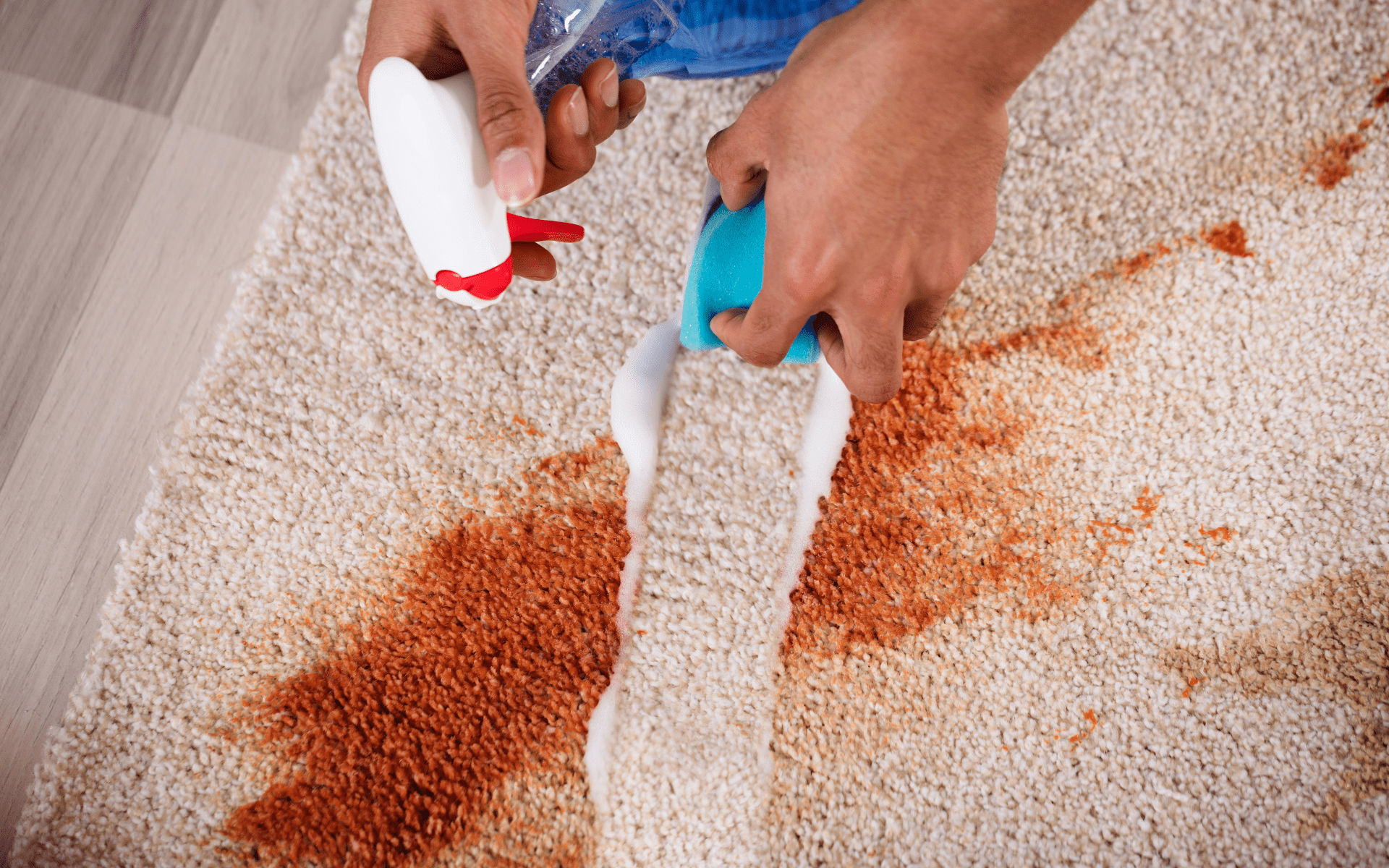
Tough stains are an inevitable part of everyday life. From spilled coffee on carpets to grease marks on kitchen surfaces, stains can quickly make a space look untidy and neglected. While some marks disappear with simple washing, others demand smarter techniques and a deeper understanding of how stains work. This guide explores the best tricks to remove tough stains effectively while protecting your fabrics and surfaces.
Understanding the Nature of Tough Stains
Before tackling any stain, it’s important to identify its source. Stains generally fall into categories such as oil-based, protein-based, dye-based, or mineral-based. Each reacts differently to cleaning agents. Treating a grease stain the same way as a wine or ink stain can make the problem worse. The key is matching the right method to the stain type for the best results.
Act Fast: Timing Makes a Huge Difference
One of the most effective tricks in stain removal is speed. Fresh stains are much easier to lift than ones that have settled into fibers. Blotting (not rubbing) a stain immediately helps absorb excess liquid and prevents it from spreading. Always use a clean cloth or paper towel and work from the outside of the stain toward the center.
Cold or Hot Water? Choose Wisely
Water temperature plays a critical role in stain removal. Cold water works best for protein-based stains like blood, sweat, and dairy, as heat can cause these stains to set permanently. On the other hand, oily or greasy stains respond better to warm or hot water when paired with a suitable detergent. Knowing this simple rule can save you from permanent damage.
Household Heroes That Remove Tough Stains
Many effective stain removers are already in your home:
-
Baking soda absorbs odors and lifts grease when mixed into a paste.
-
White vinegar breaks down mineral deposits and deodorizes fabrics.
-
Dish soap is excellent for oil-based stains on clothing and upholstery.
-
Hydrogen peroxide works well on organic stains but should be spot-tested first.
These solutions are budget-friendly and surprisingly powerful when used correctly.
The Right Technique Matters More Than Force
Scrubbing aggressively may seem helpful, but it often damages fibers and spreads stains further. Instead, gently blot or dab using a soft brush or cloth. Allow cleaning solutions time to penetrate the stain before rinsing. Patience is one of the most underrated tricks in effective stain removal.
Fabric and Surface-Specific Strategies
Different materials require different approaches:
-
Carpets and rugs benefit from absorbent powders followed by gentle extraction.
-
Upholstery needs minimal moisture to avoid water rings.
-
Clothing should always be checked for care labels before treatment.
-
Hard surfaces like tiles and countertops often respond well to alkaline or acidic cleaners depending on the stain.
Testing any method on a hidden area first is essential.
When DIY Isn’t Enough
Some stains are deeply embedded or cover large areas, making home remedies ineffective. In such cases, professional Cleaning services provide advanced tools, specialized solutions, and expert techniques that remove stains safely and efficiently. Professional cleaners also understand how to preserve the quality and lifespan of fabrics, carpets, and surfaces.
Preventing Future Stains
Prevention is just as important as removal. Using fabric protectors, wiping spills immediately, and following regular cleaning routines can significantly reduce the chances of tough stains forming. Regular maintenance, whether done at home or through Cleaning services, keeps your space looking fresh and well cared for.
Final Thoughts
Removing tough stains doesn’t have to be frustrating or costly. With the right knowledge, proper techniques, and a bit of patience, even the most stubborn marks can be tackled successfully. And when stains refuse to budge, trusted Cleaning services offer a reliable solution to restore cleanliness and comfort to your home or workplace.
