


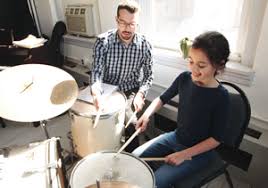
Starting music lessons can feel a little like standing on the edge of a new adventure—you’re excited, curious, maybe even a little nervous. Whether you’re picking up an instrument for the first time or returning to one you haven’t touched in years, your first music lesson is a meaningful step toward something that could become a lifelong passion. But before you sit down with your teacher or open your lesson book, it helps to know what to expect and how to prepare.
Preparation doesn’t mean you need to memorize notes or practice scales before your very first lesson. Rather, it’s about getting into the right mindset, choosing the right tools, and setting clear intentions. Think of it as setting the stage for a smooth, productive, and enjoyable musical journey.
First, be honest with yourself about why you’re starting music lessons. Are you doing it for fun? To improve your skills for a band or choir? To challenge yourself creatively? Knowing your “why” helps your teacher understand how to structure the lessons to keep you motivated. And that’s especially helpful when progress feels slow—which, at times, it will.
Next, if you haven’t already chosen your instrument or voice focus, take a little time to explore your options. Many people are drawn to a particular sound or style. The piano offers a visual and foundational approach to music. The guitar is portable and versatile. Singing connects your body directly to your art. Whatever you choose, make sure it excites you—because enthusiasm is one of the best motivators.
Now let’s talk gear. If you’re learning an instrument, make sure it’s ready for lesson number one. For piano students, this means having access to a working piano or keyboard with full-size keys. For guitar, you’ll want a properly tuned instrument with fresh strings and a comfortable strap or footstool if needed. If you’re learning violin, flute, or another orchestral instrument, ensure your instrument is assembled correctly, clean, and in good condition. Your teacher can help guide you if you’re unsure what to buy or rent. In fact, many instructors are happy to offer gear advice during the first session—so don’t worry if you’re still gathering the essentials.
One important step often overlooked is creating your practice space. Find a quiet, comfortable spot in your home where you can focus without distractions. Set up a chair, a music stand if needed, and have your instrument and lesson materials easily accessible. Practicing in a consistent, clutter-free space not only saves time but also helps you get into the right headspace each time you sit down to play.
Mentally, approach your first lesson with an open mind and a beginner’s mindset. It’s normal to feel self-conscious or even frustrated when you can’t do something right away. That’s part of the process. Don’t compare your journey to others’—and certainly not to polished performances you see online. Learning music is about progress, not perfection.
It’s also helpful to bring questions and curiosity to your lesson. Good music teachers welcome questions and love seeing students engaged. Ask about posture, technique, or even the background of the song you’re learning. The more involved you are, the more personalized your experience becomes.
On a practical note, have a notebook or app ready for taking notes during your lesson. Your teacher might give you exercises, reminders, or assignments to practice before the next session. Keeping everything organized helps you stay on track and shows your instructor that you’re serious about improving.
And finally, remember to have fun. Your first music lesson isn’t an audition. It’s not a test. It’s the beginning of something creative, challenging, and incredibly rewarding. Let go of pressure. Celebrate small wins. And trust that even on tough days, every minute spent learning music adds up to something meaningful.
By preparing thoughtfully and embracing the process, you’re setting yourself up not just for a good first lesson—but for a successful musical journey that you can enjoy for years to come. There is no matter what kind of lessons you take – piano lessons, math courses or astro courses – you have to be given away.
