



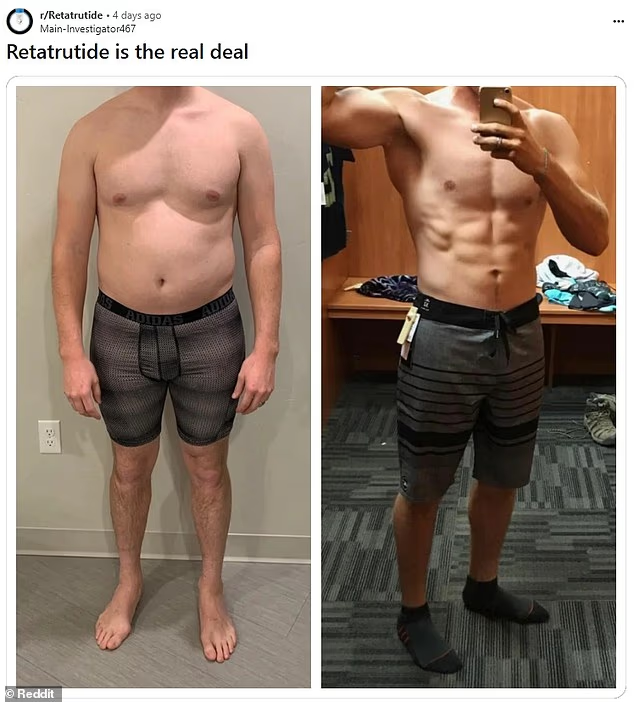
Weight loss injections such as Mounjaro have helped many men achieve dramatic reductions in body weight, sometimes transforming their health, mobility and confidence. However, losing several stone can also reveal physical changes that are not always anticipated at the beginning of a weight loss journey.
For men who have used medications such as Mounjaro or Wegovy, or undergone procedures such as gastric sleeve surgery or gastric bypass, loose skin and remaining pockets of fat can become unexpected concerns.
Although reaching a healthier weight is a major achievement, the body does not always return to the shape someone imagined. Sagging skin around the chest, stomach and arms can remain, while stubborn fatty deposits may continue to affect body proportions.
Why significant weight loss leaves men with loose skin
When someone carries excess weight for several years, their skin gradually stretches to accommodate the additional fatty tissue beneath it.
Skin contains collagen and elastin, which help maintain its structure and elasticity. However, prolonged stretching, ageing and genetic factors can reduce its ability to contract.
When substantial weight loss occurs, particularly following weight loss surgery or medication-assisted treatment, the skin may not shrink sufficiently to match the body’s smaller proportions.
This can leave folds of excess skin around the abdomen, chest, upper arms and thighs.
The extent of loose skin varies between individuals and depends on factors including age, genetics, the amount of weight lost and how long someone has been overweight.
Why the male chest can remain enlarged after weight loss
One particularly frustrating concern for men following dramatic weight loss is the appearance of their chest.
Even after losing several stone, some men discover that their chest remains soft, rounded or sagging.
This can happen for several reasons.
In some cases, the chest still contains deposits of subcutaneous fat. In others, the problem is loose skin that has lost its elasticity.
Another possible cause is gynaecomastia, a condition involving enlarged glandular breast tissue that cannot be removed through conventional weight loss alone.
Understanding the difference is important because each concern requires a different approach.
For men experiencing persistent fatty deposits around their chest, exploring options for male chest reduction may help them understand the available treatments.
Non-surgical fat reduction may be suitable for selected fatty deposits, but it cannot remove enlarged glandular tissue or significant amounts of loose skin.
Men with suspected gynaecomastia should seek medical advice, particularly if they experience breast pain, nipple discharge or a new lump.
Can stubborn fat remain after losing several stone?
Although major weight loss reduces overall body fat, it does not guarantee that every fatty area will disappear evenly.
Some men notice that their stomach becomes considerably smaller while a soft pouch remains around the lower abdomen. Others retain fatty deposits around their love handles, back or chest.
This happens because fat distribution is influenced by genetics, hormones and individual biological differences.
The body does not necessarily release stored fat evenly from every area.
For men who have reached a stable weight but remain concerned about specific fatty deposits, treatments such as fat freezing after weight loss may be worth investigating.
These treatments aim to reduce localised subcutaneous fat rather than produce further overall weight loss.
However, it is essential to distinguish between remaining fat and excess skin. Removing additional fat beneath already loose skin can sometimes make sagging more noticeable.
What happens to fat cells during dramatic weight loss?
One of the most interesting aspects of significant weight loss is what happens beneath the skin.
When someone loses weight through injections, surgery or lifestyle changes, their existing fat cells generally become smaller rather than disappearing.
Fat cells store energy in the form of triglycerides. When the body uses these reserves, the cells shrink as their stored fat decreases.
However, most of the cells remain present and retain the ability to store energy again if weight increases.
This raises an interesting question about whether fat cells are permanent structures.
Understanding whether fat cells die helps explain the difference between shrinking fat cells through weight loss and the natural processes through which ageing cells are removed and replaced.
Fat cells undergo regular turnover throughout adulthood, but this does not mean that normal weight loss permanently eliminates them.
Can exercise improve loose skin after weight loss?
For men who have lost substantial weight, resistance training can be particularly beneficial.
Building muscle may help improve body proportions, increase strength and support long-term weight management.
Developing the chest, shoulders, arms and abdominal muscles can sometimes improve the appearance of areas affected by mild skin laxity.
However, exercise cannot physically remove large folds of excess skin.
Men with significant hanging skin may need to consider specialist medical advice if it causes discomfort, irritation or affects everyday activities.
Maintaining adequate protein intake is also important, particularly following bariatric surgery, when nutritional requirements and absorption may change.
Anyone recovering from weight loss surgery should follow their clinical team’s advice about exercise, nutrition and supplementation.
The importance of maintaining weight loss
After achieving substantial weight loss, maintaining a stable weight becomes an important priority.
Weight fluctuations can affect remaining fat cells and potentially influence body contours.
Men who have undergone bariatric surgery should continue attending recommended follow-up appointments and monitoring their nutritional health.
Those using prescription weight loss injections should discuss ongoing treatment and weight maintenance with their prescribing clinician.
Cosmetic body contouring procedures are generally better considered once weight has stabilised and the individual has a clearer understanding of their remaining concerns.
A new stage in the male weight loss journey
For many men, losing a substantial amount of weight represents a major improvement in their physical health and quality of life.
However, loose skin, chest fullness and stubborn fatty deposits can create challenges that were not anticipated before treatment began.
Understanding the difference between excess skin, remaining fat and glandular tissue is essential when exploring possible solutions.
While non-surgical body contouring may help suitable individuals with small fatty deposits, significant loose skin may require a different approach.
Ultimately, successful weight loss is about much more than achieving a particular number on the scales. Maintaining good health, building strength and developing realistic expectations about body changes can help men feel more comfortable and confident as they move into the next stage of their lives.