



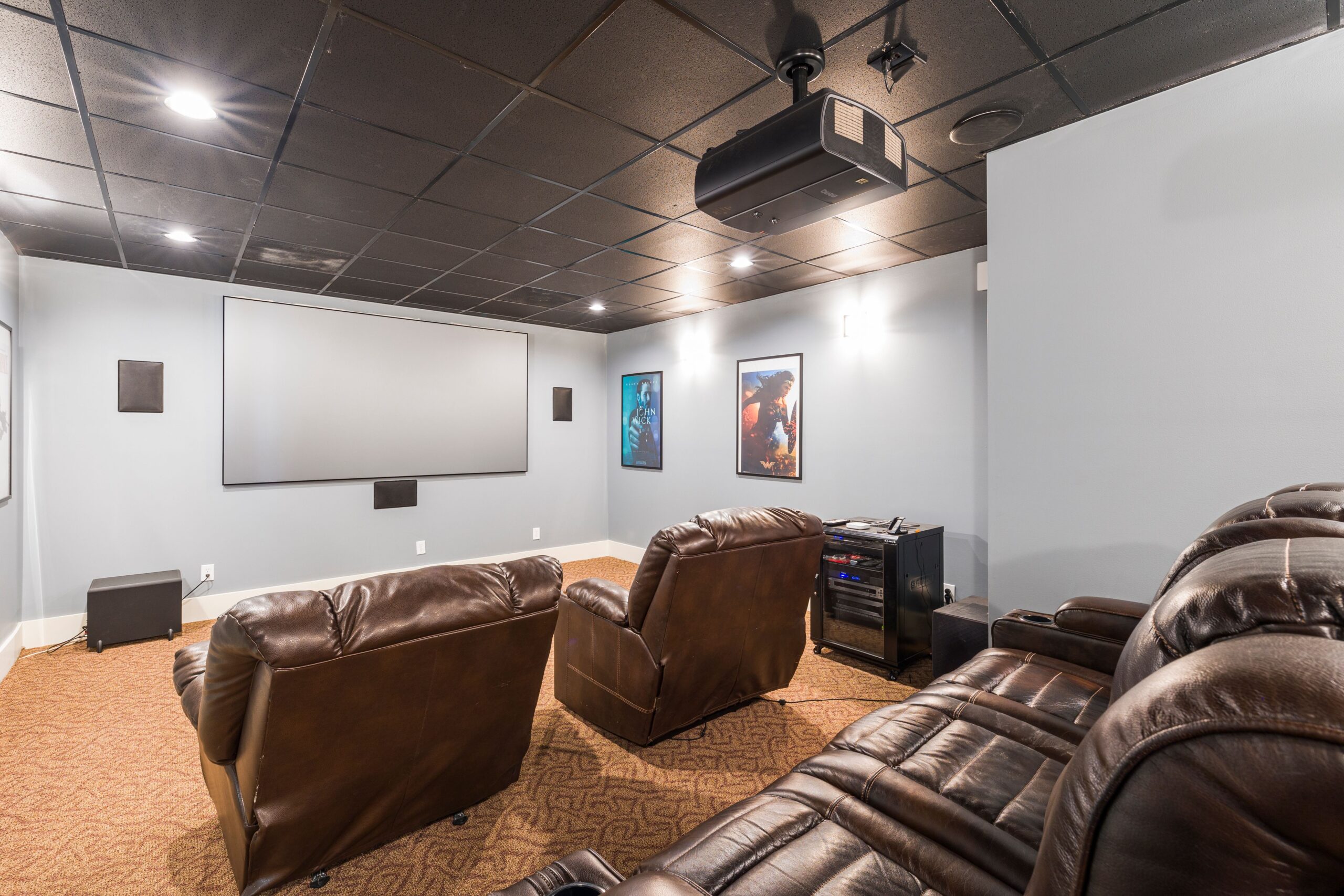
A home theater can transform an ordinary room into a place where family and friends enjoy movies, television shows, sporting events, concerts, and video games together. While modern electronics continue to improve every year, creating an enjoyable entertainment space involves much more than purchasing a large television or powerful speakers. Every component should work together to deliver a comfortable viewing and listening experience.
Many homeowners begin by learning from home theater experts before making important decisions. Understanding room size, speaker placement, seating arrangements, lighting conditions, wiring needs, display options, and sound performance helps homeowners create a space that supports both everyday entertainment and special occasions.
Careful planning also reduces unnecessary upgrades later while helping every part of the system perform efficiently.
Choosing the Right Space
The room itself plays a major role in overall performance. Some homeowners convert spare bedrooms, while others renovate finished basements, bonus rooms, or dedicated entertainment areas. The best location depends on available space, household needs, ceiling height, window placement, room dimensions, surrounding noise, electrical access, ventilation, and future expansion plans.
Room shape also affects sound quality. Large open areas may produce different audio results than enclosed rooms, making speaker placement and furniture arrangement especially important. Paying attention to these details before equipment is installed creates a stronger foundation for the entire system.
Lighting deserves equal consideration. Natural light can create glare on television screens or projection surfaces, while carefully planned lighting allows viewers to enjoy entertainment without unnecessary distractions. Adjustable lighting provides flexibility for different activities throughout the day.
Selecting Quality Display Equipment
The display often becomes the centerpiece of any home theater. Whether homeowners choose a large television or a projector with a dedicated screen, selecting the appropriate size depends on room dimensions, seating distance, viewing angles, resolution preferences, and intended use.
Display quality involves more than screen size alone. Brightness, contrast, color accuracy, motion handling, viewing angles, refresh rates, high dynamic range support, and image processing all contribute to the viewing experience. Comparing these features allows homeowners to choose equipment that fits both their space and entertainment habits.
Many home theater experts recommend considering future technology needs before making a purchase. Selecting equipment that supports newer formats and updated connections may help extend the useful life of the overall system as entertainment technology continues to evolve.
Planning Effective Audio Systems
Sound quality often has just as much impact as picture quality. Dialogue should remain clear, background music should feel balanced, and sound effects should move naturally throughout the room without becoming overwhelming.
Speaker placement plays an important role in achieving this balance. Front speakers, center channels, surround speakers, ceiling speakers, subwoofers, listening positions, room acoustics, furniture placement, and wall materials all influence the way sound travels within the space.
Room treatments may also improve audio performance. Rugs, curtains, upholstered furniture, acoustic panels, bookshelves, and other soft surfaces help reduce unwanted echoes while creating a more comfortable listening environment. Small adjustments often produce noticeable improvements without requiring major structural changes.
Organizing Equipment Carefully
Modern entertainment systems often include streaming devices, gaming consoles, media players, receivers, smart home controls, internet equipment, disc players, and multiple connected devices. Organizing these components helps improve usability while reducing cable clutter.
Many homeowners appreciate systems that remain simple to operate. Remote controls, mobile applications, voice assistants, programmable controls, automated lighting, and integrated smart home features can simplify everyday use while allowing family members to enjoy the system without unnecessary complexity.
Creating Comfortable Seating
Comfort contributes just as much to the overall experience as technology. Seating arrangements should provide clear viewing angles while allowing everyone to enjoy balanced sound throughout the room. The distance between seats and the display should match the screen size to create comfortable viewing during longer movies or sporting events.
Furniture selection also affects room acoustics. Selecting furniture that complements the room while supporting proper speaker placement creates a balanced entertainment environment.
Flexibility also benefits growing households. Modular seating, movable furniture, additional chairs, and adaptable layouts allow the room to accommodate family movie nights, parties, gaming sessions, or smaller gatherings without requiring major changes.
Enjoying Long-Term Performance
A successful home theater combines thoughtful planning, quality equipment, careful installation, organized wiring, balanced acoustics, comfortable seating, appropriate lighting, and ongoing maintenance. Rather than focusing on one impressive component, homeowners benefit from creating a system where every element supports the others.
Learning from home theater experts helps homeowners understand how individual decisions influence the overall experience. By evaluating room layout, display technology, sound quality, equipment organization, seating comfort, and future flexibility before installation begins, homeowners can create entertainment spaces that remain enjoyable for many years while adapting easily as technology continues to change.