



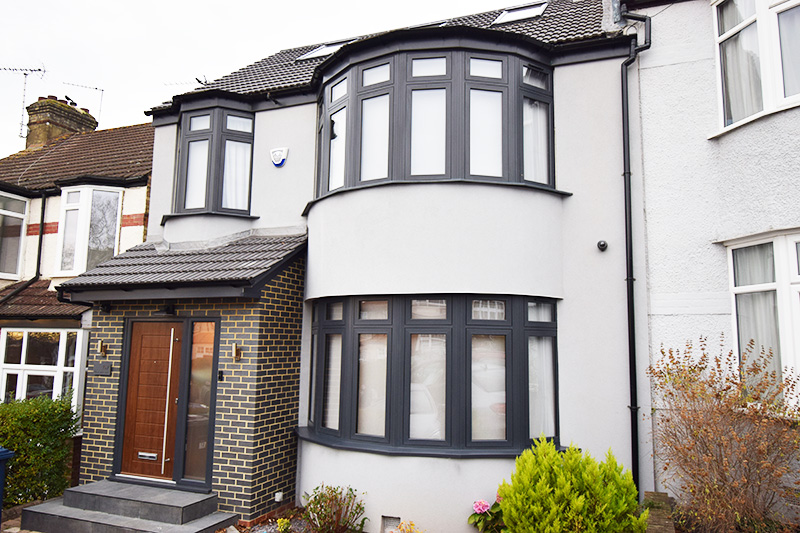
Walk down almost any residential street in Barnet and you can read the borough’s history in its housing. Victorian terraces around New Barnet and East Barnet, Edwardian semis in Whetstone and Totteridge, and the handsome inter-war homes of Hadley Wood all share one defining feature: timber sash windows. They are as much a part of the streetscape as the brickwork itself, and yet for decades homeowners have been persuaded to rip them out in favour of uPVC. Increasingly, that decision is being recognised as a mistake.
The Quiet Return of the Timber Sash Window
There has been a noticeable shift in how North London homeowners think about their windows. Where the default answer to a draughty or rattling sash was once wholesale replacement with plastic, more and more people are choosing to repair, restore or sensitively upgrade the original timber frames instead. The reasons are practical as much as sentimental.
First, there is the question of value. Estate agents across the capital consistently report that period features sell houses, and original sash windows sit near the top of that list. A Victorian terrace with its joinery intact simply presents better than an identical property fitted with white plastic frames. In conservation-sensitive pockets of Barnet, such as Monken Hadley or parts of Totteridge, inappropriate replacements can even cause problems with planning.
Second, there is longevity. A well-made timber sash window, properly maintained, can last well over a century, and many in Barnet already have. uPVC units, by contrast, typically need replacing after twenty-five to thirty years, and unlike timber they cannot be repaired section by section. When a plastic frame fails or discolours, the whole unit goes to landfill.
Draughts, Rot and Rattles Can All Be Fixed
The most common objection to keeping original windows is comfort. Old sashes are associated with cold rooms, whistling draughts and single glazing that lets the heat pour out. The good news is that every one of these problems has a well-established solution.
Draught proofing systems, fitted discreetly into the frame, can eliminate rattles and cut heat loss dramatically without changing the window’s appearance. Decayed timber can be spliced out and replaced with new sections, so a window with a rotten sill does not need a new frame. And modern slimline double glazing can now be fitted into original or replica timber sashes, bringing thermal performance close to that of a new window while keeping the slender glazing bars and elegant proportions that make these windows worth saving in the first place.
Choosing the Right Specialist Locally
This kind of work is a craft, not a commodity, and results vary enormously depending on who carries it out. General builders and double glazing firms rarely have the joinery skills needed to replicate mouldings, horns and glazing bars accurately. It pays to look for a company that works exclusively with timber sash windows and can show examples of completed projects on local period properties.
Homeowners in the borough looking for that kind of specialist attention can turn to PM Windows – sash windows Barnet, a North London firm focused solely on the repair, restoration and replacement of traditional timber sashes. Their approach is repair-first: rather than pushing full replacement, they assess what can be saved and only recommend new joinery where the original timber is genuinely beyond rescue.
A Small Investment in a Long Future
Restoring sash windows is not the cheapest option on the table, but it is almost always the best long-term one. It preserves the character that makes Barnet’s period streets so sought after, improves comfort and energy efficiency, and avoids sending perfectly repairable joinery to the skip. For anyone living in a Victorian or Edwardian home, the message is simple: before you replace, ask whether those hundred-year-old windows might just need a little care.