



A strong digital presence is no longer a luxury for growing businesses. It is often the first place customers judge credibility, compare options and decide whether a company is worth contacting. Before someone makes an enquiry, books a service or buys a product, they usually search online, visit websites, read reviews and look for signals of trust. If that journey feels unclear or disjointed, the opportunity can disappear quickly.
This is why businesses need more than a visually attractive website or a few campaigns running in the background. They need a connected digital strategy that brings together design, search visibility, paid advertising, content and conversion optimisation. When these elements work together, a business can attract the right audience, create a stronger first impression and turn more visitors into meaningful enquiries.
The website is usually the centre of this process. It should clearly explain what the business offers, why it matters and what the visitor should do next. A skilled web designer understands that design is not just about how a page looks. It is about how people move through information, how quickly they understand the value proposition and how easily they can take action.
Good website design should feel effortless for the user. Navigation should be simple, messaging should be clear and every page should support a purpose. For a service business, that might mean encouraging calls, quote requests or consultation bookings. For an ecommerce brand, it might mean helping customers find products faster and complete checkout with less friction. For a B2B company, it might mean building confidence through case studies, process information and proof of expertise.
Mobile experience also matters. Many customers will first interact with a website on a phone, often while comparing multiple businesses. If a site loads slowly, feels cluttered or makes contact details hard to find, users may leave before the brand has a chance to make its case. Strong design supports trust, but it also supports performance.
Of course, even the best website needs the right people to find it. Search engine optimisation helps businesses appear when customers are actively looking for products, services or answers. For companies targeting Queensland, working with an SEO agency Brisbane businesses can rely on may help create stronger visibility in a growing and competitive market.
Brisbane has become a dynamic commercial hub across sectors such as professional services, trades, healthcare, property, retail, education and technology. To compete online, businesses need to understand how local customers search and what information they expect before making contact. This is where a localised SEO strategy becomes valuable.
Local SEO is not simply about adding a city name to a website page. It involves Google Business Profile optimisation, location-based content, consistent business details, customer reviews, technical website health and content that matches real search intent. These signals help search engines understand where a business operates and why it should appear for relevant local searches.
An experienced SEO consultant can help identify what is holding a website back and where the strongest growth opportunities sit. This may involve reviewing technical issues, keyword opportunities, competitor activity, content gaps, backlink quality and user behaviour. The goal is not just to increase rankings, but to attract better-quality visitors who are more likely to become customers.
A good SEO strategy should always start with commercial context. More traffic is useful only when it supports the right business outcomes. That means understanding which services are most valuable, which locations matter, what customers are searching for and how website pages can guide visitors towards action. SEO should be practical, measurable and aligned with business priorities.
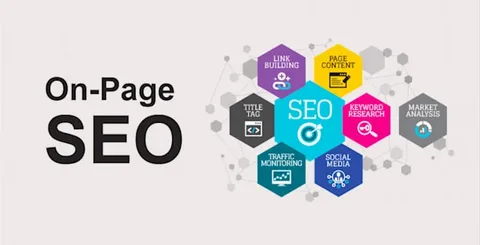
Technical performance is often one of the first areas to assess. Search engines need to crawl and understand a website, while users expect fast and seamless experiences. Issues such as slow page speed, broken links, duplicate content, weak internal linking or poor mobile usability can reduce both visibility and conversion potential. Fixing these foundations can make every other marketing activity more effective.
Content is another important layer. Customers search because they want help, clarity or reassurance. A website should answer the questions people are already asking, explain services in plain language and demonstrate expertise without sounding forced. Helpful service pages, FAQs, guides and case studies can all build trust while supporting organic search performance.
While SEO builds long-term visibility, paid search can generate faster demand. Google Ads management helps businesses appear in front of people who are searching with immediate intent. This can be particularly useful when launching a new service, entering a new market, promoting high-value offers or generating leads while organic rankings are still developing.
However, Google Ads needs careful management to avoid wasted spend. Campaigns should be structured around search intent, audience relevance and commercial value. The right keywords, negative keywords, ad copy, bidding strategy and landing pages all influence performance. Without proper tracking, it becomes difficult to know which campaigns are generating real return.
Landing pages play a major role in paid media success. If an ad promises one thing but the page delivers something vague or unrelated, users may leave quickly. A strong landing page should match the search query, communicate value clearly, include trust signals and make the next step simple. This is where web design, SEO and paid advertising overlap. The same page may need to satisfy users, search engines and advertising goals.
The strongest results usually come when organic and paid search work together. Google Ads can provide quick insights into which keywords and messages convert. SEO can use those insights to improve content and landing pages over time. Strong organic visibility can reduce reliance on paid media, while paid campaigns can fill short-term gaps and test new opportunities.
23 Digital’s broader capability across digital strategy, UX/UI design, website development, integrations and digital marketing supports this connected approach, helping businesses build scalable digital experiences aligned with commercial goals. This matters because online performance rarely depends on one channel alone. The website, search strategy, paid media and analytics all need to support the same customer journey.
For growing businesses, the priority should be creating a digital ecosystem that is visible, credible and easy to act on. A well-designed website builds confidence. SEO helps customers find the business when they are searching. Google Ads can create immediate visibility. Strong reporting shows what is working and where improvements are needed.
In a competitive market, the brands that perform best are not always those with the largest budgets. They are often the ones that understand their customers, invest in better experiences and improve consistently. By connecting web design, SEO consulting, local search and paid media, businesses can build a more reliable pathway from online attention to measurable growth.