



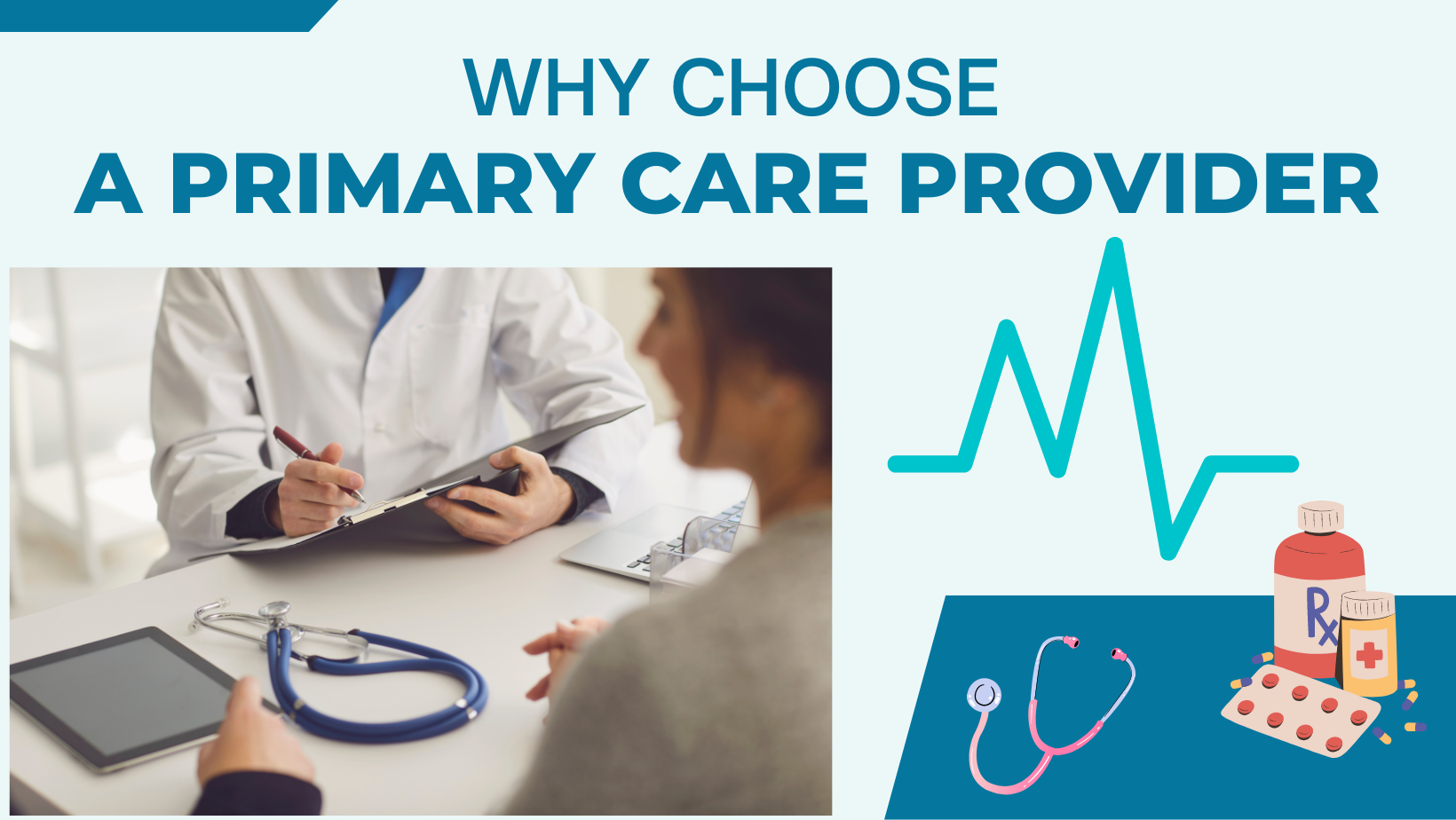
Choosing a primary care doctor is one of the most important health decisions you’ll ever make, yet most people spend more time researching their next laptop than their own physician. In a world where healthcare options are multiplying fast, knowing what to look for makes an enormous difference in the quality of care you’ll receive for years to come. If you’re ready to take your health seriously, starting with a trusted Primary Care Doctor who operates under the Direct Primary Care model gives you a distinct advantage over relying on whoever happens to be in-network this year.
The first thing to consider is accessibility. A great primary care doctor is one you can actually reach when you need them. This sounds obvious, but the traditional healthcare model has made it surprisingly difficult. Patients wait an average of 26 days to get a new patient appointment with a primary care physician in the US, and that’s before you factor in travel time, waiting room time, and the likelihood of being rushed through your visit. Direct Primary Care eliminates most of those friction points, and that alone is reason enough to give it a serious look.
Communication style matters just as much as credentials. You want a doctor who listens without interrupting, explains things in plain language, and asks follow-up questions that show they’re genuinely engaged. During your first visit, pay attention to whether the doctor seems curious about your lifestyle, your stress levels, your sleep habits, and your goals, not just your symptoms. Real primary care is proactive, not reactive, and the best DPC doctors are constantly thinking about how to help you avoid problems before they start. The World Health Organization consistently identifies strong primary care as the backbone of effective national health systems, largely because it keeps people healthier over the long haul.
You should also think about the scope of services your primary care doctor can provide in-house. A well-rounded DPC practice handles a broad range of needs without constantly referring you out, things like basic mental health care, nutrition guidance, hormonal health, sports medicine, and management of common chronic conditions. Every referral you avoid is time and money saved, and more importantly, it’s continuity of care preserved. When your primary care doctor can manage most of your needs personally, the quality of that management goes up because they understand your full context.
Transparency about costs is another green flag. A trustworthy primary care practice will tell you exactly what your membership covers, what labs cost, what procedures are included, and what might require a specialist. If a practice is vague or evasive about pricing, that’s worth noting. The whole premise of Direct Primary Care is clarity: a flat monthly fee with no hidden surprises, and a doctor who’s incentivized to keep you healthy rather than to bill for more services.
Don’t overlook the administrative experience either. How easy is it to schedule an appointment? Is there a patient portal or messaging app? Does the front desk staff respond promptly? These smaller details shape how supported you feel as a patient day to day. According to research from the New England Journal of Medicine, administrative burdens are one of the leading sources of patient dissatisfaction in American healthcare, so a practice that takes logistics seriously is already ahead of the curve.
At the end of the day, the right primary care doctor should feel like a true partner in your health journey, someone you trust, can reach easily, and who genuinely cares about your wellbeing from one year to the next. That kind of relationship doesn’t happen by accident. It starts with choosing a model designed to make it possible.