



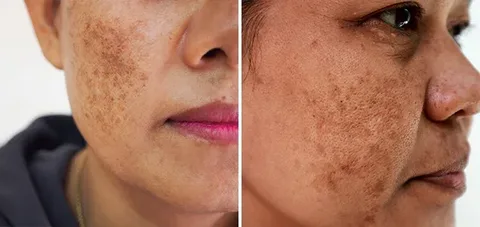
Hyperpigmentation is one of the most common skin concerns affecting people of all ages and skin types. It occurs when excess melanin is produced in certain areas of the skin, leading to darker patches or uneven skin tone. These patches can appear on the face, neck, hands, or other areas exposed to sunlight. Common causes include sun exposure, hormonal changes, acne scarring, inflammation, and certain medications.
Although hyperpigmentation is usually harmless, it can be frustrating and difficult to treat with over-the-counter skincare products alone. Many creams and serums promise to fade dark spots, but they often fail to address the deeper causes of pigmentation within the skin. As a result, many people experience slow progress or recurring discoloration without professional guidance.
Modern aesthetic clinics now offer advanced treatments designed to target pigmentation at its source. Technologies such as medical-grade chemical peels, laser treatments, and specialised skin therapies can help break down excess pigment while encouraging healthier skin regeneration. These treatments are typically tailored to the individual, as different types of hyperpigmentation—such as melasma, sun spots, or post-inflammatory pigmentation—require different approaches.
Seeking professional guidance for hyperpigmentation treatment can help ensure the condition is correctly diagnosed and treated with clinically proven methods. Experienced practitioners assess the type and depth of pigmentation before recommending the most suitable treatment plan.
With the right care and targeted treatment strategy, many patients see a noticeable improvement in skin clarity and tone. Addressing hyperpigmentation professionally not only improves the appearance of the skin but also helps restore confidence and long-term skin health.