



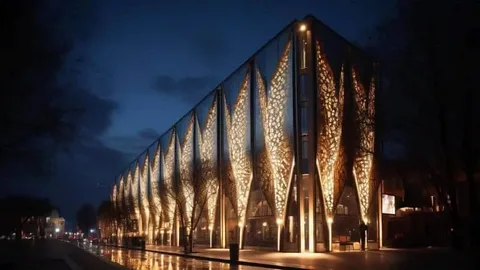
Lighting is a crucial element in architectural design, not only providing functional illumination but also enhancing the overall aesthetic appeal of a space. One of the key players in this process is decorative lighting manufacturers. These manufacturers contribute significantly to the design and execution of lighting systems that add beauty, mood, and personality to architectural projects. In this article, we will explore the role of decorative lighting manufacturers in architectural lighting, how they influence design, and the impact they have on both aesthetics and functionality.
What is Decorative Lighting?
Decorative lighting is designed primarily to serve as a visual enhancement rather than for purely functional illumination. It often focuses on creating ambiance, highlighting architectural features, or emphasizing design elements that contribute to the overall aesthetic. Unlike basic task lighting, which provides light for practical purposes, decorative lighting is intended to create mood and transform spaces through the clever use of light.
Types of Decorative Lighting
- Chandeliers and Pendant Lights: These often serve as statement pieces in large, open spaces like lobbies, dining areas, or staircases.
- Wall Sconces and Accent Lights: These fixtures add flair to walls and highlight specific design elements such as artwork or texture.
- Cove Lighting: Installed in ceiling recesses, it casts a soft, indirect glow that enhances the mood of a room.
- Floor Lamps and Table Lamps: These provide mobility and can be used to accentuate specific areas or create cozy spots.
The Contribution of Decorative Lighting Manufacturers
Crafting Customized Solutions
One of the main roles of decorative lighting manufacturers is creating bespoke solutions tailored to a project’s unique needs. Architectural projects can vary greatly in size, style, and functionality, and lighting plays a huge part in bringing a vision to life. Decorative lighting manufacturers work closely with architects and designers to understand the space’s layout and the desired effect. They then craft customized lighting solutions that complement the overall design and achieve the intended visual and emotional impact.
These manufacturers have a deep understanding of materials, light temperatures, and fixture styles, allowing them to design lighting that perfectly suits a variety of environments—whether modern, traditional, industrial, or even eclectic.
Integrating Lighting with Architectural Design
In modern architecture, lighting is not just an afterthought but an integral component of the design itself. Decorative lighting manufacturers help architects seamlessly integrate lighting into their designs by creating fixtures that harmonize with the surrounding space. Whether it’s the sleek, minimalist lines of a contemporary home or the grandeur of a commercial building, the lighting must match the architectural vision.
For instance, in high-end residential or commercial spaces, lighting often plays a key role in emphasizing certain architectural elements like vaulted ceilings, intricate moldings, or open staircases. By using well-designed lighting fixtures, decorative lighting manufacturers can enhance these elements, giving them more prominence and adding a layer of sophistication to the space.
Innovative Lighting Technologies
The role of decorative lighting manufacturers extends beyond just aesthetic appeal. They are at the forefront of technological advancements in lighting, helping to create energy-efficient solutions that do not compromise on style. With the growing emphasis on sustainability, many manufacturers are developing LED lighting, smart lighting systems, and other eco-friendly options that are both environmentally and economically beneficial.
Smart lighting, for example, allows for greater control over a space’s ambiance, enabling users to adjust the intensity, color, and temperature of the light according to their preferences or the time of day. These innovations ensure that decorative lighting remains a practical part of architectural design while meeting modern energy standards.
The Impact of Decorative Lighting on Architecture
Enhancing Mood and Atmosphere
Lighting has a profound impact on the mood of a space. Soft, warm lights can create a welcoming, relaxed atmosphere, while bright, cool lights can energize a room or help with focus. Decorative lighting manufacturers provide the tools to set the right tone for a given space, helping architects and designers transform how people experience a space.
For example, in a restaurant or hotel, ambient lighting can influence the mood of the entire dining experience. In contrast, in an office or study, task lighting may be used to aid productivity. These variations in lighting are essential in creating spaces that are functional and visually appealing.
Creating Focal Points
Decorative lighting is often used to draw attention to specific areas of a space, such as art pieces, architectural details, or furniture arrangements. The right lighting can create dramatic effects, spotlighting features that might otherwise be overlooked. For example, a carefully placed pendant light over a sculpture can emphasize its design, while a wall-mounted sconce may highlight the texture and color of the walls.
Lighting as a focal point can also guide people through a space. In commercial or public spaces, lighting can be used to direct movement, highlight pathways, or illuminate important areas, making the space both functional and aesthetically pleasing.
Conclusion
The role of decorative lighting manufacturers in architectural lighting cannot be overstated. They not only contribute to the functional aspects of a space but also elevate the overall design through innovative and customized lighting solutions. By integrating lighting with architectural elements and using advanced technologies, these manufacturers enhance the atmosphere, mood, and aesthetic of buildings, creating environments that are both visually stunning and functional. Their work remains an essential part of modern architecture, shaping the way we experience and interact with spaces.